The Comfort of a Healthy Home: Why Clean Air and Water Matter More Than We Realize
There’s a quiet kind of comfort that doesn’t come from décor, furniture, or even location. It comes from something much simpler — knowing the environment inside your home supports your health. Most of us don’t think about it daily, but the air we breathe and the water we use every single hour play a massive role in how we feel.
It’s funny, actually. People often spend time choosing paint colors, lighting fixtures, and smart gadgets, yet overlook the invisible elements that affect well-being the most. And usually, it takes a small problem — a strange smell in tap water, a persistent cough, or dry, irritated skin — to make us realize how important these basics truly are.
Once you start noticing these things, you can’t really ignore them anymore.
The Reality of Modern Water Quality
Water used to feel like something we could trust automatically. Turn the tap, fill a glass, drink — simple. But today, water quality can vary widely depending on infrastructure, location, and environmental factors.
Even when water is technically safe, it may still contain chlorine, sediments, dissolved minerals, or trace chemicals that affect taste and usability. Many homeowners notice subtle signs before they understand the cause — dull laundry colors, buildup on faucets, or that slightly metallic aftertaste in drinking water.
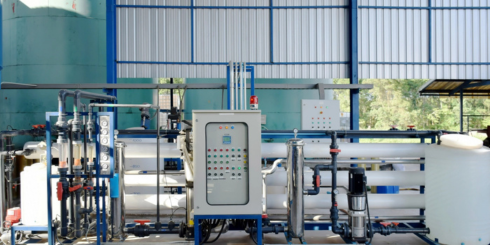
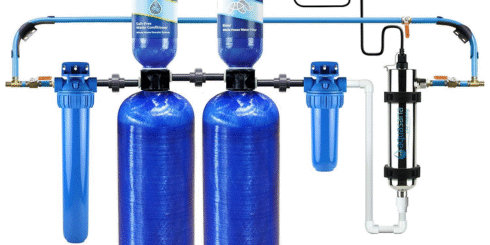
This is where water filtration solutions have become increasingly popular. Modern filtration systems go far beyond basic filters. They remove contaminants, improve taste, and even protect appliances by reducing mineral deposits.
What surprises many people is how quickly they notice the difference. Water feels lighter, tea tastes smoother, and even cooking seems to improve. It’s not just about safety — it’s about enhancing everyday experiences in ways that quietly make life more comfortable.
Breathing Easier in an Indoor World
While water concerns are fairly obvious, air quality often remains unnoticed — until it starts affecting health. Modern homes are designed to be energy efficient, which means they trap air inside more effectively than older buildings.
Unfortunately, that trapped air can carry dust, pet dander, pollen, mold spores, and even chemical particles from cleaning products or furniture materials. Over time, these pollutants can cause fatigue, headaches, allergies, or respiratory discomfort.
That’s why many families are turning toward air purification solutions to improve indoor living conditions. Air purifiers help remove microscopic particles, creating a cleaner environment that supports better sleep and overall well-being.
People often describe the experience of cleaner air in simple terms: the room feels fresher, breathing feels easier, and there’s a noticeable sense of lightness in the environment.
It’s one of those upgrades that feels subtle but deeply impactful.
The Overlooked Importance of Proper Infrastructure
While filtration and purification systems get most of the attention, there’s another factor quietly influencing both air and water quality — your home’s infrastructure.
Pipes, drainage systems, and ventilation networks all play a crucial role in maintaining a healthy environment. Aging plumbing can introduce contaminants, while hidden leaks can lead to mold growth that affects indoor air.
This is where professional plumbing services become essential. Regular inspections help identify issues before they turn into serious problems. Skilled technicians can detect corrosion, improve water flow efficiency, and ensure systems operate safely.
Many homeowners underestimate this aspect until they experience a sudden leak or water contamination issue. But proactive maintenance can prevent these disruptions entirely.
In a way, plumbing is like the backbone of home health — unseen but absolutely vital.
The Emotional Benefits of a Clean Environment
Beyond physical health, improving air and water quality also provides emotional reassurance. There’s something deeply comforting about knowing your home environment is safe and supportive.
It reduces small, constant worries. You don’t hesitate when filling a child’s water bottle. You don’t wonder whether the air might trigger allergies. You simply live, breathe, and relax with confidence.
And that peace of mind is something people often don’t appreciate until they experience it firsthand.
Small Steps That Lead to Big Improvements
One encouraging truth is that improving home air and water quality doesn’t require massive changes. Often, small steps can create meaningful results.
Routine filter replacements, periodic inspections, and targeted system upgrades can dramatically improve living conditions over time. These gradual improvements add up, creating a home environment that supports health naturally.
Many homeowners who take these steps say they wish they had started sooner. Not because the changes were dramatic, but because the overall comfort improvement was so noticeable.
A Thoughtful Ending: Investing in Invisible Comfort
At the end of the day, a healthy home isn’t defined only by what we see. It’s shaped by the invisible elements that sustain us — clean air, safe water, and reliable infrastructure.
These factors quietly influence how we sleep, how we feel, and how our bodies function every day. Taking steps to improve them isn’t about chasing perfection. It’s about creating a foundation of comfort that supports long-term well-being.