From the journal · October 29, 2026
How to Manage Hard Water and Keep Your Home Appliances Running Longer
Have you ever cleaned your bathroom taps only to find white marks appearing again a few days later? Or noticed that your washing machine seems to need more attention than it used to? These little frustrations can have a common cause: the quality of the water flowing through your home.
Water contains naturally occurring minerals, and while most are harmless at typical household levels, some can create problems over time. Hardness minerals, especially calcium and magnesium, can build up inside pipes, heating elements, and appliances. The effects aren’t always dramatic at first. A little residue here, a cloudy glass there. Gradually, though, the extra cleaning and maintenance begin to add up.
Related reading: When Your Water Starts Leaving Clues: A Real-Life Look at Hard Water at Home · Choosing the Right Water Solutions for Your Home or Business
Understanding how hard water behaves and what you can do about it can help you make smarter decisions for your home, without spending money on treatments you don’t really need.
What Makes Water Hard in the First Place?
Water becomes hard when it dissolves minerals as it travels through soil and rock. Groundwater moving through limestone and other mineral-rich formations often picks up calcium and magnesium along the way. By the time it reaches your home, these minerals may be present in concentrations high enough to leave noticeable deposits.
One of the easiest signs to spot is a chalky film around faucets, showerheads, and sinks. You might also notice soap scum on shower walls or white spots on dishes after they come out of the dishwasher. Soap may seem less effective, too, making it harder to create a rich lather.
Hard water isn’t generally considered a direct health risk at ordinary drinking-water levels, but it can make everyday household tasks more difficult. The bigger concern for many homeowners is what happens when minerals accumulate inside plumbing and equipment.
Heating water encourages scale formation, which is why water heaters, kettles, and other heated appliances can be particularly affected. If you live in an area with mineral-rich water, paying attention to these early signs can save you trouble later.
How Water Softeners Help Reduce Mineral Buildup
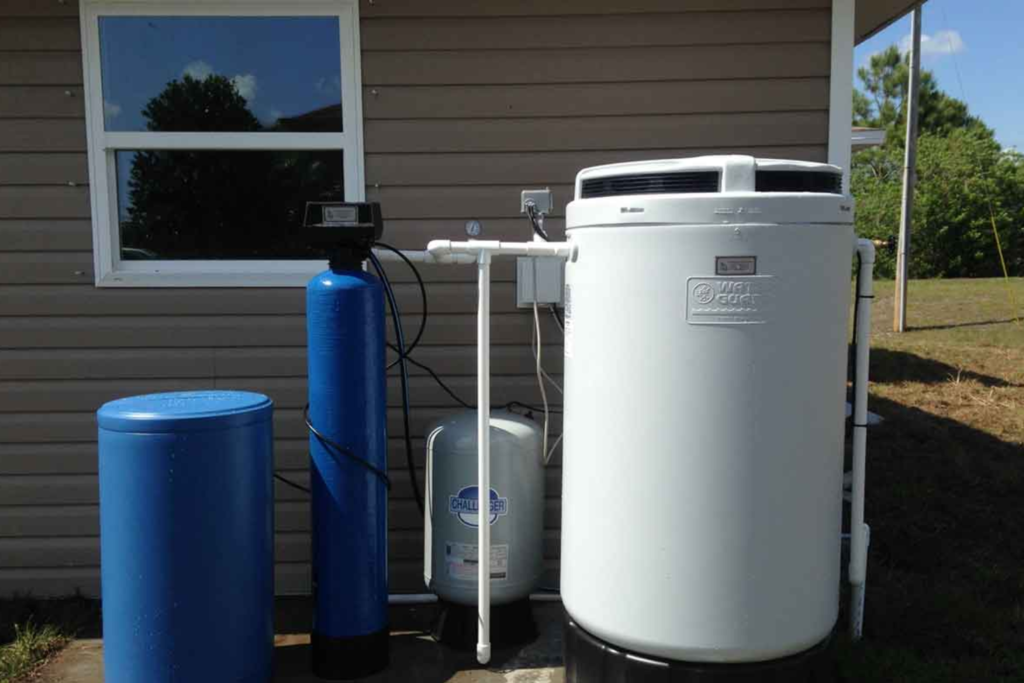
For households dealing with significant hardness, water softeners can be a practical solution. Traditional ion-exchange softeners work by passing water through a resin that captures calcium and magnesium ions and replaces them with sodium or potassium ions.
The result is softened water that is less likely to form the familiar mineral scale. Many homeowners notice that soap lathers more easily, shower glass is simpler to clean, and laundry feels different after washing. The amount of improvement depends on the original water hardness and how well the system is installed and maintained.
A softener can also help reduce scale accumulation inside water heaters and plumbing fixtures. That doesn’t mean every household needs one, though. If hardness is relatively low, regular cleaning and basic maintenance may be enough.
Before choosing a system, have your water tested to establish the hardness level. Ask about capacity, regeneration frequency, salt or potassium consumption, and ongoing servicing. A properly sized system should meet your household’s water demand without unnecessary expense.
It’s also important to understand what softening does not accomplish. A conventional softener isn’t a universal water purifier and doesn’t automatically remove bacteria, viruses, or every dissolved contaminant. If your water has other quality concerns, additional treatment may be necessary.
Why Hard Water Can Affect Household Appliances
Your appliances work behind the scenes every day. A washing machine cleans clothes, a dishwasher handles the dishes, and a water heater provides hot water whenever you need it. Because these systems are so familiar, it’s easy to overlook the effect mineral buildup can have on their performance.
When hard water is heated, dissolved calcium and magnesium can form scale on internal surfaces. In water heaters, this buildup may interfere with heat transfer. In dishwashers, mineral deposits can leave spots on glassware and a cloudy appearance on utensils. Washing machines may develop deposits around components that regularly come into contact with water.
The severity varies considerably. Water hardness, temperature, usage frequency, and appliance design all influence how quickly scale forms. Hard water doesn’t automatically mean an appliance will fail early, but heavy scaling can increase cleaning requirements and may contribute to maintenance problems.
You don’t necessarily need to replace equipment or install a whole-house system at the first sign of trouble. Start with the appliance manufacturer’s cleaning instructions. Descaling products approved for your particular equipment can help remove existing mineral deposits, while regular maintenance can prevent minor issues from becoming persistent annoyances.
If an appliance is already performing poorly, consider other possible causes as well. Blocked filters, worn components, drainage problems, and electrical faults can produce symptoms that have nothing to do with water hardness.
Simple Ways to Protect Appliances From Scale
A few sensible habits can make a difference, even before you invest in a treatment system. The key is consistency. Waiting until an appliance is heavily scaled often makes cleaning more difficult.
To protect your appliances, begin by following the maintenance schedule recommended by each manufacturer. Clean dishwasher filters, inspect washing machine dispensers, and descale kettles or coffee machines when deposits appear. Use only cleaning products suitable for the equipment, since harsh chemicals can damage seals, metal finishes, or internal components.
For dishwashers, use detergent and rinse aid according to the instructions, adjusting settings for your water conditions where the appliance allows it. If your machine has a built-in water-softening feature, check whether it needs salt and make sure the setting matches the local water hardness.
Water heaters deserve attention, too. Depending on the model and local water conditions, periodic inspection or flushing may be recommended. Follow the manufacturer’s guidance, and contact a qualified technician if the unit needs servicing or if you notice unusual noises, leaks, or inconsistent hot water.
Another useful step is to check aerators and showerheads. Mineral deposits can restrict flow through these small openings. Cleaning them carefully may restore normal water flow without requiring more extensive plumbing work.
These measures won’t eliminate hardness from your water supply, but they can help manage its effects and make everyday maintenance less of a chore.
Should You Install a Whole-House Water Softener?
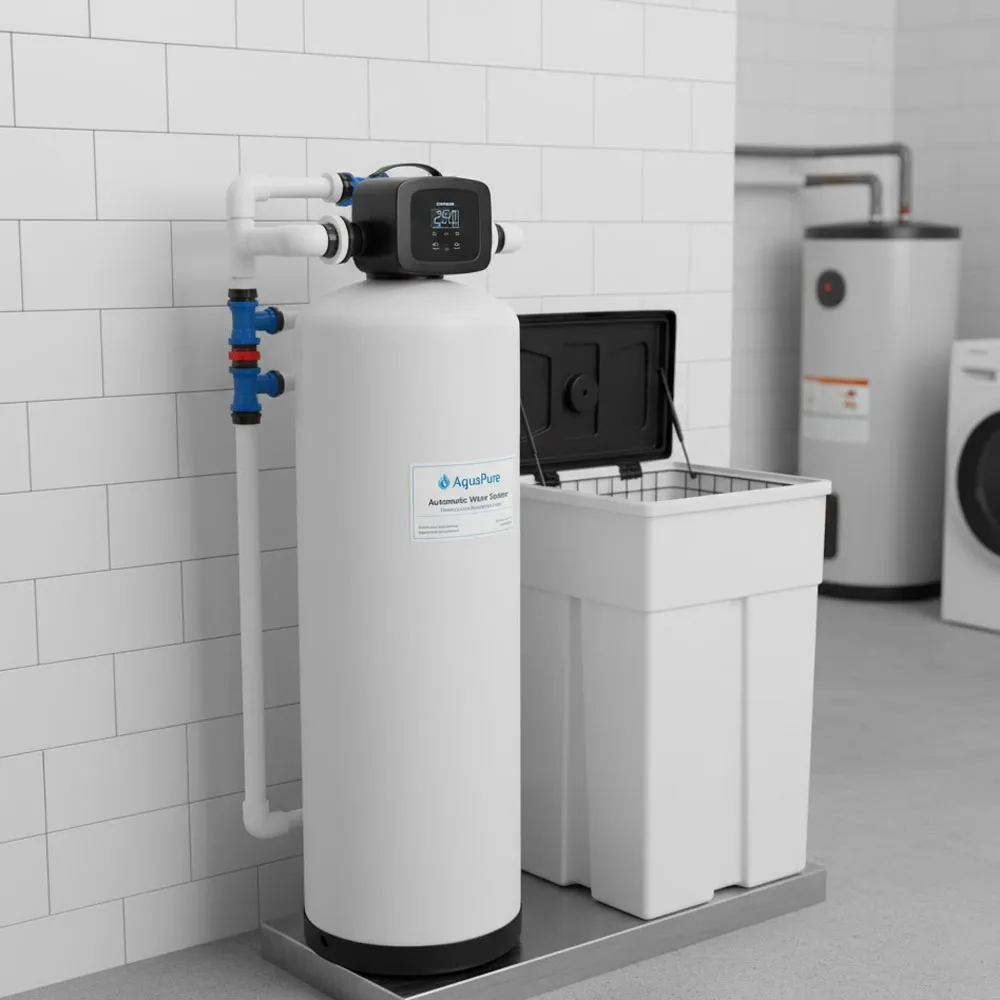
A whole-house softener treats water entering the property, providing softened water to the plumbing outlets connected to the system. This may be useful when hardness affects several bathrooms, appliances, and hot-water systems throughout the home.
However, installation requires a little planning. You’ll need an appropriate location, suitable plumbing connections, and enough space for the equipment and any required salt storage. Some systems also discharge regeneration wastewater, so drainage requirements should be considered before installation.
Think about household water consumption as well. A larger family may need a different system capacity from a household with only one or two occupants. Choosing equipment based solely on price can lead to poor performance if the unit is too small or uses more resources than necessary.
There are also environmental and practical considerations. Conventional salt-based softeners add sodium to the treated water, which may matter for people following medically advised sodium restrictions. Depending on local conditions, wastewater discharge requirements may also affect the type of system you choose.
Ask an experienced water treatment professional to explain the options, maintenance costs, and any limitations. A good recommendation should be based on test results and actual household needs, not on the assumption that every home requires the same equipment.
Make Water Quality Part of Your Home Maintenance Routine
Hard water is a common household challenge, but it doesn’t have to become an expensive one. By recognizing mineral deposits early, testing your water, and following simple appliance maintenance routines, you can make informed choices about what your home actually needs.
If the evidence points to significant hardness, a properly selected softener may help reduce scale and simplify cleaning. If the problem is minor, routine descaling and sensible care may be enough. Either way, understanding your water is more useful than guessing.
A little attention now can make daily chores easier, reduce avoidable maintenance, and help household equipment perform as intended. Good home care isn’t always about buying something new. Sometimes, it starts with understanding what’s coming out of the tap.