From the journal · November 26, 2026
Keeping Your Home’s Sewer Lines Running Smoothly: Installation, Maintenance, and Emergency Solutions
Nobody particularly enjoys thinking about sewer lines. They’re buried underground, quietly carrying wastewater away from our homes, and most of us are perfectly happy leaving them out of sight and out of mind. That changes rather quickly when the bathroom drain starts making strange noises or wastewater begins backing up into the shower.
Suddenly, those hidden pipes become a priority.
Related reading: How to Manage Hard Water and Keep Your Home Appliances Running Longer · Choosing the Right Water Solutions for Your Home or Business
Maintaining an efficient sewer line situation begins with dependable plumbing infrastructure, sensible household habits, and timely attention to problems before they develop into something more serious.
Whether you own an older property or are planning a new construction project, understanding how your sewer system works can help you avoid unnecessary expenses and unpleasant surprises.
A little knowledge goes a surprisingly long way when it comes to protecting your plumbing.
Recognizing the Warning Signs of Sewer Line Trouble
Sewer problems don’t always begin with dramatic flooding or overwhelming odors. Sometimes, the earliest symptoms are easy to dismiss.
Perhaps the kitchen sink takes slightly longer to empty, or the toilet makes an unusual gurgling sound when someone uses the shower.
When several drains throughout the house become slow simultaneously, there could be a blockage somewhere along the main sewer pipe.
Unpleasant odors around drains or persistent wet patches in the yard may also deserve investigation.
These symptoms can have different causes, so it’s important not to jump to conclusions.
A professional inspection, potentially involving a specialized sewer camera, can help identify obstructions, damaged sections, or other underlying concerns.
Getting the problem properly diagnosed early is generally preferable to repeatedly dealing with the same frustrating symptoms.
Building Dependable Sewer Infrastructure From the Beginning
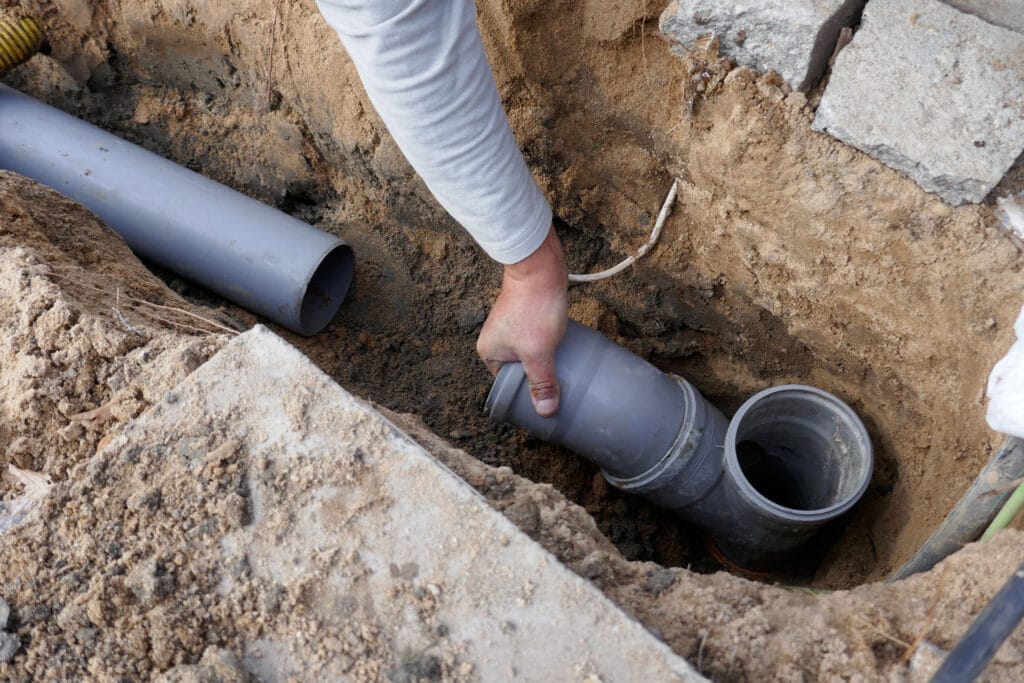
There’s considerably more involved in installing underground drainage pipes than simply connecting one section to another.
Professional sewer line installations require careful planning around pipe dimensions, drainage slope, soil conditions, connection points, and applicable local plumbing requirements.
Gravity-based sewer systems depend on appropriate pipe positioning to carry wastewater effectively.
An unsuitable slope, poorly supported pipes, or improperly fitted connections could contribute to drainage complications later.
New construction provides an opportunity to establish dependable infrastructure before landscaping and other property improvements are completed.
For older homes undergoing renovations, replacing deteriorating sewer pipes might also make practical sense.
Experienced contractors can assess the property’s requirements and recommend suitable materials and installation methods.
It’s one of those jobs where getting everything right at the beginning can prevent years of avoidable headaches.
When a Blocked Drain Becomes an Emergency
Plumbing emergencies have an unfortunate habit of happening at inconvenient times. A blocked toilet during a family gathering or wastewater backing up late at night can leave homeowners feeling understandably overwhelmed.
Professional emergency drain cleanings can help address urgent blockages and restore drainage when ordinary household methods aren’t appropriate or effective.
Depending on the obstruction, plumbers may use mechanical drain-cleaning equipment or suitable high-pressure water jetting techniques.
However, the condition of the existing pipes needs consideration before selecting a cleaning method.
If wastewater begins backing up through multiple fixtures, stop using household plumbing until the problem has been assessed.
Avoid direct contact with sewage and keep children and pets away from affected areas.
Also, resist the temptation to repeatedly pour chemical drain cleaners into a seriously blocked system. They may not resolve the underlying issue and could create additional hazards.
Understanding What Causes Sewer Pipes to Become Blocked
Many drainage problems develop gradually because of everyday household habits.
Cooking grease, food scraps, wipes, and other unsuitable materials can accumulate inside pipes, restricting wastewater movement over time.
Tree roots present another challenge, particularly around older underground pipes with vulnerable joints or existing cracks.
Ground movement, deteriorating pipe materials, and structural damage may also contribute to recurring drainage issues.
Understanding the cause of a blockage matters because clearing it doesn’t necessarily prevent it from returning.
For instance, removing intrusive tree roots may temporarily restore drainage, but damaged pipe sections could still require attention.
A thorough assessment helps determine whether routine cleaning, targeted repairs, or more extensive replacement is necessary.
Exploring Sewer Repairs With Less Property Disruption
The possibility of having a driveway or carefully maintained garden dug up can make homeowners reluctant to arrange sewer repairs.
Fortunately, traditional excavation isn’t always the only available option.
Certain trenchless techniques may allow contractors to repair or replace underground pipes while reducing extensive surface disruption.
These approaches depend on existing pipe conditions, accessibility, nearby utilities, and surrounding soil characteristics.
Not every damaged sewer pipe qualifies for trenchless work, particularly when severe structural problems are present.
Discuss the available methods with your contractor and ask how each option could affect your property.
Knowing what to expect beforehand makes the entire experience easier to manage.
Developing Better Habits for Healthier Household Drains
Preventing drainage problems doesn’t necessarily require complicated maintenance routines.
Avoid disposing of cooking grease down the kitchen sink. Use drain strainers where appropriate, and keep wipes, hygiene products, and other unsuitable materials out of toilets.
Pay attention to recurring slow drainage rather than accepting it as an ordinary household inconvenience.
Properties with older plumbing or previous root intrusion problems may benefit from periodic professional inspections.
These simple habits won’t prevent every possible sewer problem, but they can help reduce avoidable blockages and unnecessary repair expenses.
Protecting Your Home From Unexpected Sewer Problems
A reliable sewer system quietly contributes to a cleaner, more comfortable household.
Investing in proper installation, addressing drainage concerns promptly, and developing sensible maintenance habits can make a meaningful difference over time.
You don’t need to become a plumbing expert to protect your property. Just pay attention when something changes and seek qualified assistance when necessary.
After all, the best sewer system is usually the one you hardly notice. Everything drains properly, daily routines continue uninterrupted, and there’s one less household problem demanding your attention.