From the journal · November 25, 2026
Living With Hard Water: Why Water Softeners Make Sense for Minnesota and North Dakota Homes
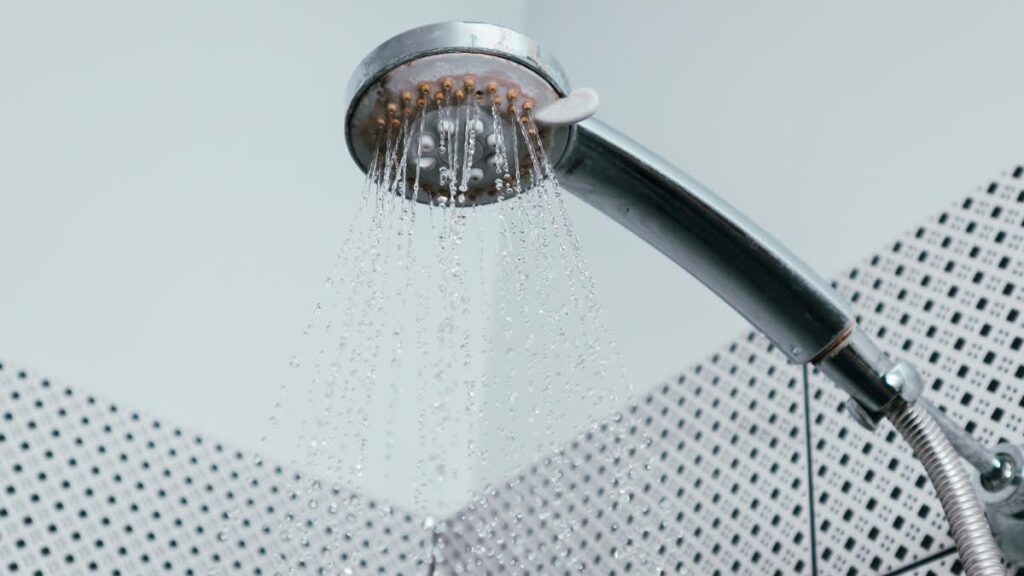
There’s a familiar frustration that comes with living in a home affected by hard water. You spend time polishing the kitchen faucet, wash a fresh load of towels, and carefully clean the shower doors. A few days later, the white deposits are back, the towels feel stiff, and the bathroom looks like it needs another good scrub.
For homeowners exploring water softeners for minnesota & north dakota homes, addressing excessive water hardness can make everyday household tasks noticeably more manageable.
Related reading: How to Manage Hard Water and Keep Your Home Appliances Running Longer · Hard Water, Quiet Problems: Why Fixing It Feels Bigger Than It Sounds
Whether you live in Moorhead, Fargo, or one of the surrounding communities, understanding how hard water affects your property can help you make a worthwhile investment in household comfort and appliance care.
What Exactly Makes Water Hard?
Hard water contains elevated concentrations of dissolved minerals, primarily calcium and magnesium. These minerals occur naturally as water comes into contact with underground rock and soil formations.
Although hardness minerals aren’t generally considered harmful at typical drinking water concentrations, they can create plenty of practical inconveniences.
When hard water evaporates, it may leave behind chalky deposits. Heating water can also encourage mineral scale formation inside kettles, water heaters, and other household equipment.
Soap doesn’t always perform as effectively in hard water, either. You might find yourself using more detergent or spending extra time rinsing away residue.
These problems rarely develop overnight. Instead, they gradually become part of your household routine until you realize how much extra effort they require.
Finding a Practical Solution to Mineral Buildup
Scrubbing faucets with suitable cleaning products can remove existing deposits, but it doesn’t address the minerals responsible for their formation.
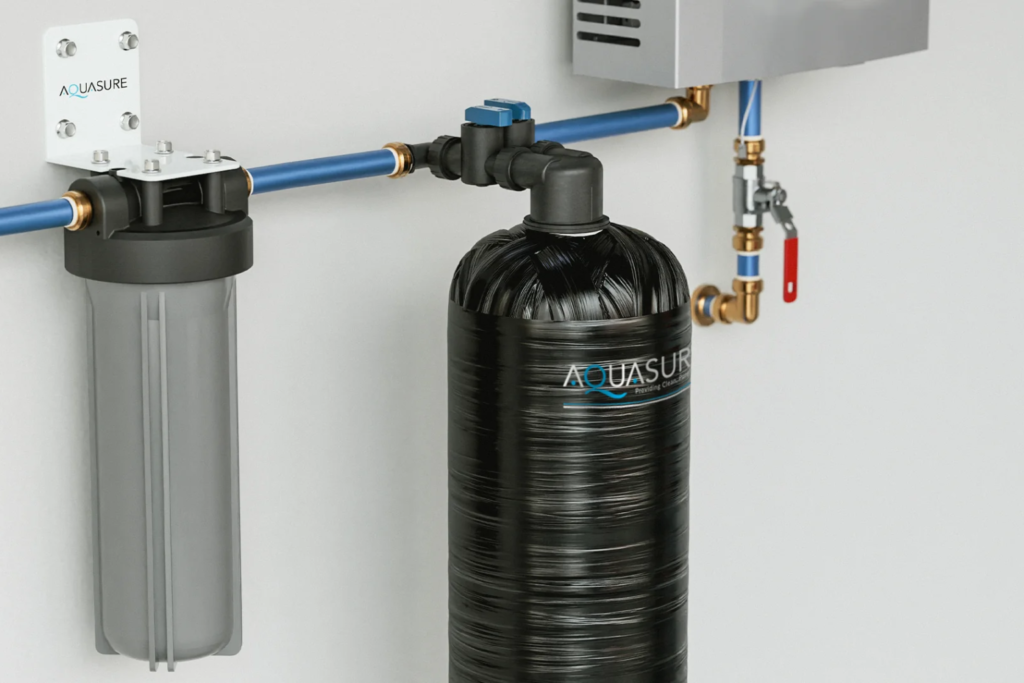
Effective hard water treatment solutions focus on managing hardness before water reaches household fixtures and appliances.
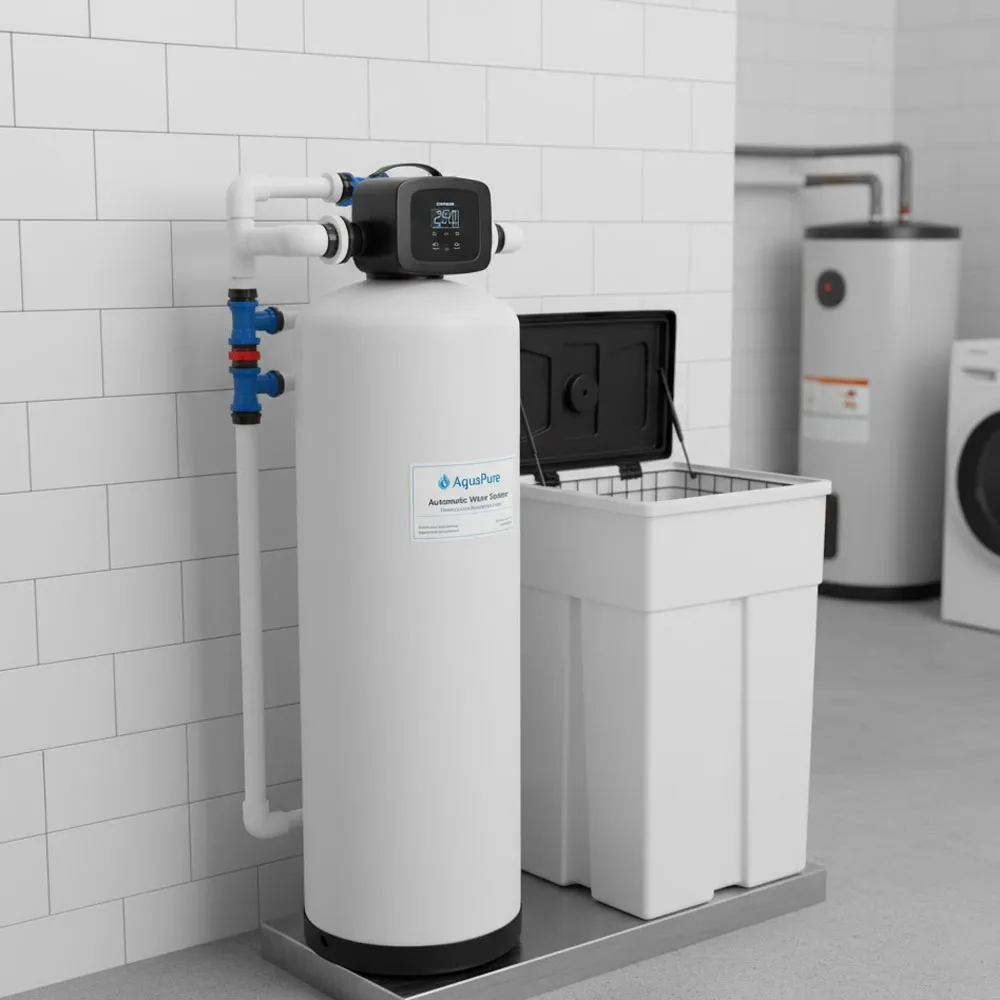
Conventional ion-exchange water softeners work by exchanging calcium and magnesium ions for sodium or, in compatible systems, potassium ions.
This process reduces water hardness and helps limit new mineral scale formation.
Over time, homeowners may notice fewer stubborn deposits, improved soap lathering, and easier cleaning.
However, water softening isn’t the same as comprehensive drinking water purification. If your household has additional water quality concerns, separate filtration or specialized treatment may be necessary.
Understanding these differences helps you avoid expecting one piece of equipment to solve every problem.
Choosing Equipment That Matches Your Household
Every family uses water differently. A household with several children, multiple bathrooms, and frequent laundry loads will naturally have different requirements from a smaller home occupied by two people.
When comparing home water softening systems, consider measured water hardness, daily consumption, peak demand, and equipment capacity.
Demand-initiated softeners regenerate according to measured water usage and programmed settings rather than relying exclusively on a fixed schedule.
Under suitable conditions, this approach can help avoid unnecessary regeneration and make more efficient use of salt and water.
Installation space deserves attention as well. The equipment should remain accessible for adding salt, inspecting components, and arranging occasional servicing.
A properly selected system should fit into your household routine without becoming another source of frustration.
Giving Your Water Heater and Appliances Some Extra Care
Nobody enjoys replacing an expensive appliance earlier than expected. Unfortunately, mineral scale can contribute to maintenance problems, particularly in equipment that heats water.
Inside a water heater, accumulated deposits may interfere with heat transfer. Dishwashers and kettles can also develop mineral buildup that requires periodic cleaning.
Reducing water hardness helps limit the formation of new scale.
That doesn’t mean a softener will automatically reverse existing damage or eliminate the need for appliance maintenance. Older equipment may still require professional attention.
Nevertheless, managing excessive hardness can be a sensible preventive measure, especially if you’ve recently purchased new appliances.
Sometimes, protecting the things you already own makes more financial sense than dealing with recurring repairs.
The Little Differences You’ll Notice Around the House
One of the more interesting aspects of softer water is how its benefits appear in ordinary moments.
Your soap may produce a richer lather without requiring as much product. Bathroom fixtures might become easier to clean, and freshly washed towels may feel less stiff.
Glassware can also develop fewer mineral-related spots, although detergent residue and other factors can still influence its appearance.
Some people initially find the sensation of softened water unfamiliar, particularly during showers. That slippery feeling often results from reduced interaction between soap and hardness minerals.
Give yourself a little time to adjust your soap and detergent usage. You may discover that you need less than you previously used.
Why Water Testing Should Come First
Before installing a softener, find out how hard your water actually is.
Municipal water quality reports can provide helpful background information, while direct hardness testing offers a more specific picture of your property’s water.
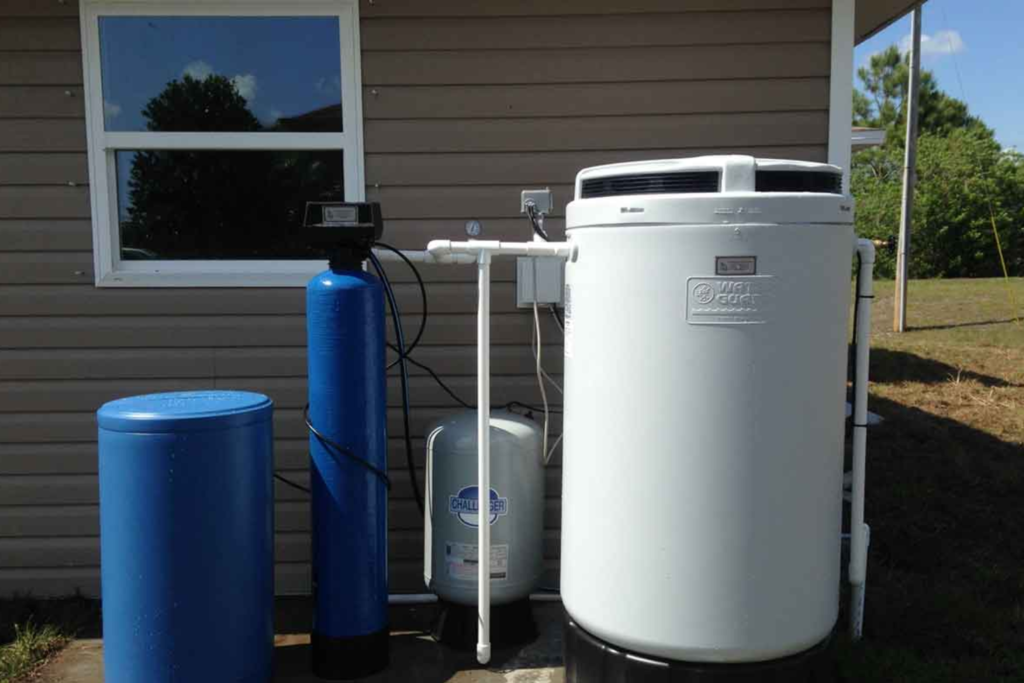
Private well owners should also arrange appropriate laboratory testing for other potential contaminants.
Water hardness measurements help determine suitable equipment capacity and operating settings. Without this information, you could end up purchasing an unnecessarily large system or one that struggles to meet household demand.
Ask your installer about salt consumption, regeneration frequency, wastewater requirements, and ongoing maintenance costs.
A little research beforehand can save considerable expense later.
Making Softer Water Part of Everyday Living
For homeowners across Minnesota and North Dakota, water softening can offer practical benefits when significant hardness is present.
Start with reliable testing, choose appropriately sized equipment, and follow the manufacturer’s maintenance recommendations.
You don’t need to transform your entire plumbing system to make everyday water more manageable.
Sometimes, the most appreciated improvements are remarkably simple: spending less time scrubbing faucets, enjoying softer-feeling laundry, or worrying less about recurring mineral deposits.
Water is involved in nearly everything that happens inside your home. Taking thoughtful steps to improve its quality can make those familiar routines just a little easier, day after day.