From the journal · October 28, 2026
Making Water Treatment Easier: What Homeowners Should Know Before Choosing a System
Water is something most of us use without thinking twice. We fill the kettle, rinse vegetables, run the washing machine, and take a shower before heading out for the day. It all feels pretty straightforward until the water starts leaving chalky marks around the taps, the showerhead becomes clogged, or a glass of drinking water has an unfamiliar taste. Then, suddenly, water quality becomes a much bigger deal.
The good news is that these problems can often be addressed with the right information and a sensible plan. You don’t necessarily need an expensive system or a complicated setup. What matters is understanding what’s happening with your water, choosing equipment that fits your needs, and keeping it in good working condition.
Related reading: Choosing the Right Water Solutions for Your Home or Business · Understanding How a Water Softener Fits Into Your Home’s Plumbing System
Begin With a Clear Picture of Your Water
Every home has its own water conditions. Properties connected to a municipal supply may experience mineral buildup or noticeable chlorine taste, while homes using private wells can face different concerns depending on the surrounding soil, groundwater, and local environment.
Hard water is one of the most common household complaints. It contains elevated levels of calcium and magnesium, which can leave deposits on faucets, glassware, and shower doors. Other concerns may involve sediment, iron staining, unpleasant odours, or specific contaminants that require targeted treatment.
Before buying equipment, consider having the water tested. A suitable test can help identify hardness, pH, iron, dissolved solids, or other substances relevant to your water source. If you have concerns about bacteria, lead, nitrates, or other health-related contaminants, choose appropriate testing, potentially through a certified laboratory.
It’s worth remembering that clear water isn’t automatically free of contaminants. At the same time, a stain or unusual taste doesn’t necessarily mean the water is unsafe. Reliable information helps you avoid unnecessary worry and focus on the problem that actually needs attention.
Why Water Softening Can Make Daily Life Easier
Hard water often creates a collection of small frustrations rather than one dramatic problem. Soap may not lather well, bathroom surfaces need frequent scrubbing, and mineral scale can gradually accumulate inside appliances. Over time, these issues may increase cleaning efforts and contribute to maintenance needs.
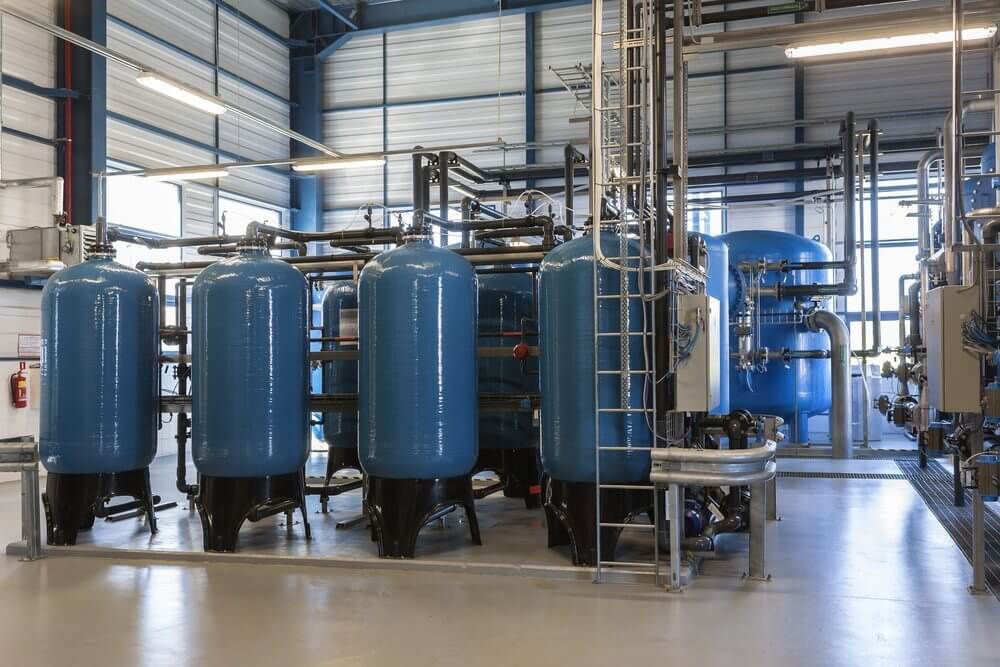
For homes affected by hardness, water softener systems can be a practical option. Conventional ion-exchange softeners reduce calcium and magnesium by exchanging them for other ions, commonly sodium. The system periodically regenerates to restore its treatment capacity.
The difference can be noticeable in everyday routines. Shower screens may develop less mineral buildup, soap may work more effectively, and scale formation in water-using appliances may be reduced. However, the results depend on the original water conditions and the equipment’s correct sizing and operation.
Softening has its limits. It doesn’t automatically remove bacteria, every chemical, or all dissolved substances. If your water has several different issues, a softener may need to be combined with another treatment method. Some households may also prefer a separate drinking-water line, depending on their circumstances and the system design.
Before installation, ask about salt consumption, regeneration frequency, water use, and ongoing costs. These details matter just as much as the equipment’s purchase price.
Treating Water Throughout the Home
Sometimes the concern extends beyond drinking water. Sediment may appear at multiple faucets, certain tastes and odours may affect the whole property, or homeowners may want to address a specific incoming-water issue before it reaches their plumbing and appliances.
In these situations, whole-home water filtration may be worth considering. A point-of-entry system treats water where it enters the property, allowing the treated supply to reach multiple fixtures. Depending on the water test, the setup might use sediment filtration, activated carbon, or other specialised treatment components.
The important thing is to match the filter to the intended purpose. Sediment filters capture particles, while certain carbon filters reduce particular tastes, odours, and compounds. Neither should be assumed to remove every dissolved contaminant or make microbiologically unsafe water safe to drink.
Household demand also deserves attention. A system must handle the flow needed when showers, washing machines, and kitchen taps are being used around the same time. An undersized unit may cause an inconvenient drop in pressure, while an oversized setup can add unnecessary expense.
Ask the provider to explain the recommended configuration and provide documentation supporting its performance claims. A good recommendation should be based on your water conditions, not simply on a package that includes every available feature.
When Drinking Water Needs Additional Treatment
Some homeowners are mainly concerned about the water used for drinking, cooking, and filling reusable bottles. If testing identifies dissolved substances that need reducing, a point-of-use system may offer a more focused solution than treating every tap in the home.
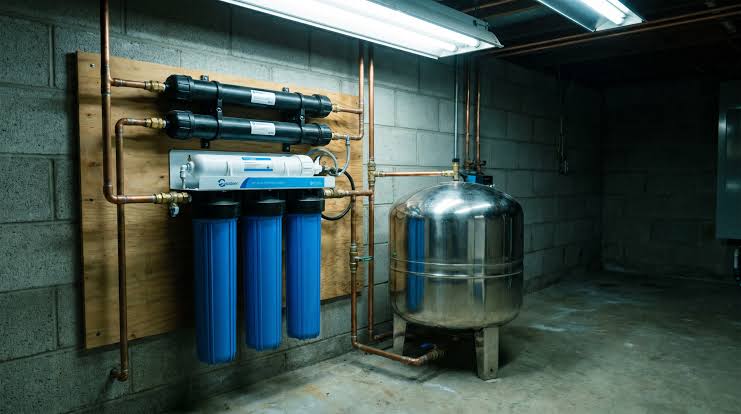
Reverse osmosis is one technology used for this purpose. It pushes water through a semipermeable membrane that reduces many dissolved substances. Depending on the model, the system may also include prefilters and a final carbon filter to support performance and improve taste.
Reverse osmosis isn’t necessary for every household. A simpler filter may be enough to address a particular taste or odour concern, while a certified reverse osmosis unit may be appropriate when test results identify substances it is designed to reduce. Always review the manufacturer’s specifications and relevant independent certifications rather than relying on broad advertising claims.
There are trade-offs to consider. Conventional systems send some water to the drain, and their filters and membranes require periodic replacement. Storage capacity and production rate are worth checking, too. If several people fill bottles or use treated water for cooking throughout the day, you’ll want a system that can comfortably meet that demand.
Don’t Overlook Installation and Maintenance
Even suitable equipment can disappoint if it isn’t installed correctly. The location, plumbing connections, flow rate, drainage requirements, and available service space all influence how well a system works. Some setups are relatively simple, while others may require professional plumbing work or electrical access.
Ask for a written estimate that explains what installation includes. Find out whether labour, fittings, testing, and removal of old equipment are covered. Clear details make it easier to compare providers and avoid unexpected expenses.
After installation, regular care becomes part of ownership. Filters can become exhausted, membranes gradually lose performance, and softeners may need salt replenishment and periodic checks. Follow the manufacturer’s maintenance schedule and keep a record of service dates and replacement parts.
If the water’s taste, colour, odour, or pressure changes noticeably, don’t automatically assume that a filter replacement will fix it. The cause could be related to the water source, plumbing, or treatment equipment. Further testing or professional inspection may be necessary.
Choose a Solution That Fits Your Home
Better water treatment doesn’t have to be complicated. Start by identifying the concern, testing where appropriate, and comparing systems that are designed to address the results. Consider the installation requirements, ongoing costs, maintenance schedule, and the amount of water your household uses.
Be cautious of promises that one device can solve every possible water problem. Different technologies have different purposes, and a reliable provider should explain both the benefits and the limitations of a recommendation.
Ultimately, the right system is the one that addresses your home’s actual needs and remains practical to maintain. With clear information and a little planning, you can make a confident decision and spend less time worrying about the water coming out of your tap.