When Your Water Starts Leaving Clues: A Real-Life Look at Hard Water at Home
There’s a moment most homeowners don’t talk about—the point where you realize your water isn’t just… water anymore. It starts leaving little clues behind. On your taps, your dishes, your skin.
At first, it’s easy to ignore. A few spots on the sink, maybe your kettle looking a bit rough inside. You clean it, move on, and don’t think twice.
But then it keeps happening.
And slowly, it stops feeling like a coincidence.
The Everyday Signs That Something’s Off
Hard water rarely makes a grand entrance. It sneaks in quietly and settles into your routine.
Soap doesn’t lather like it should. Your laundry feels stiff, even with fabric softener. Your shower leaves your skin feeling tight instead of refreshed.
None of these are serious problems. But they’re persistent. And that’s what makes them frustrating.
Over time, you start adjusting—using more product, cleaning more often, replacing things sooner than expected.
But the root cause? It’s still there.
What’s Actually Happening Inside Your Water
Hard water is full of minerals—mainly calcium and magnesium. They’re naturally present, and in many ways, harmless.
But in a home environment, they can create a surprising amount of inconvenience.
These minerals cling to surfaces, build up inside pipes, and settle in appliances. They interfere with how water interacts with everything it touches.
That’s where water softener systems come into play. They’re designed to address the mineral content directly, not just the symptoms.
And once those minerals are reduced, water starts behaving differently—more predictably, more smoothly.
Why Reducing Minerals Makes a Real Difference
It’s easy to underestimate the impact of minerals until you start dealing with them daily.
That chalky residue on your faucets? That’s mineral buildup. The cloudy film on your dishes? Same thing.
When you begin to reduce hard water minerals, those issues start to fade.
Your soap lathers properly again. Your surfaces stay cleaner longer. Even your hair and skin feel different—less coated, more natural.
It’s not a dramatic transformation, but it’s a consistent one.
And consistency, in this case, is everything.
The Hidden Cost of Hard Water
What you see on your taps is just the surface.
Inside your home, hard water is doing more than leaving marks—it’s affecting your systems.
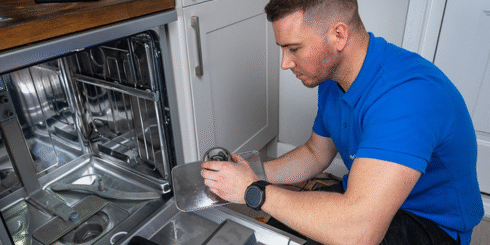
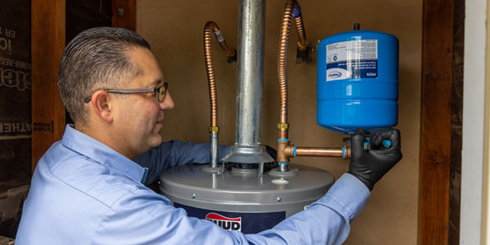
Water heaters develop scale on heating elements. Pipes slowly narrow as minerals accumulate. Dishwashers and washing machines lose efficiency over time.
This is where appliance protection becomes part of the conversation.
When your water is balanced, your appliances don’t have to work as hard. They run more efficiently, last longer, and require fewer repairs.
It’s one of those benefits you don’t immediately notice—but you definitely feel over time.
The Subtle Changes That Add Up
Improving your water doesn’t come with a big “wow” moment.
There’s no instant transformation where everything suddenly looks brand new.
Instead, it’s gradual.
Your dishes come out cleaner. Your shower feels better. Your laundry doesn’t need as much effort to feel fresh.
And then, after a while, you realize something important—you’re not thinking about your water anymore.
That’s when you know things have improved.
Choosing the Right Approach Without Overthinking It
If you’ve started looking into solutions, you’ve probably noticed how quickly it can get overwhelming.
Different systems, different features, different opinions—it’s a lot.
But here’s the truth: you don’t need to understand everything.
You just need to understand your situation.
What’s bothering you? What do you want to improve? Once you answer those questions, the right solution becomes clearer.
It’s not about finding the most advanced system—it’s about finding the one that fits your home.
Why It’s Worth Paying Attention (Even If It’s Not Urgent)
Hard water doesn’t feel urgent. It doesn’t demand immediate action.
But it does affect your daily life in small, consistent ways.
More cleaning. More maintenance. More subtle frustration than you might realize.
And because water is part of almost everything you do, even small improvements can have a noticeable impact.
A More Comfortable Way to Live with Water
At its core, improving your water isn’t about perfection.
It’s about ease.
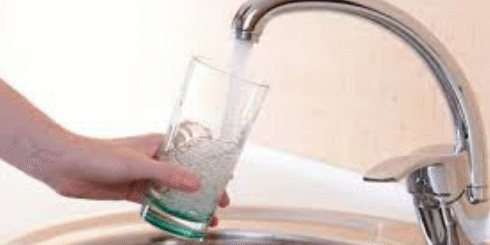
It’s about turning on your tap and not worrying about what’s coming out. It’s about your home working the way it should, without extra effort.
When your water feels right, everything else feels a little easier too.
Final Thoughts: The Quiet Upgrade That Stays With You
We often think of home improvements as big, visible changes. New furniture, fresh paint, upgraded lighting.
But some of the most meaningful improvements are the ones you don’t immediately see.
Water is one of them.
It’s constant. It’s essential. And when it’s working the way it should, it supports everything else without asking for attention.
And honestly, that’s the best kind of upgrade—one that quietly makes your life better, day after day.