Designing Water Right: Why Businesses Are Turning to Smarter Water Systems
Let’s face it—water usually flies under the radar in commercial spaces. Whether it’s a manufacturing floor, restaurant kitchen, office building, or hotel, water quietly supports daily operations. That is, until there’s a problem. Then? Suddenly everyone’s paying attention.
From weird-tasting tap water in a break room to mineral buildup in industrial boilers, it doesn’t take much for a water-related issue to throw a wrench into business-as-usual. That’s exactly why a growing number of facilities are shifting away from off-the-shelf fixes and investing in tailored solutions that actually fit their needs.
This is where commercial water treatment companies step in—not just with products, but with expertise. They help businesses figure out what’s in their water, what’s going wrong, and how to build a system that works smoothly, day in and day out.
Let’s unpack why this shift is happening, and how you can tap into it (pun intended).
When Water Becomes a Business Problem
It starts small—like soap that won’t lather or glassware that dries cloudy. Then it snowballs.
- Restaurants see scaling in dishwashers.
- Salons deal with dry, mineral-heavy water damaging hair.
- Healthcare clinics worry about contaminants affecting instruments.
- Breweries stress over flavor inconsistencies due to water profile changes.
What looks like an annoyance is often just the tip of the iceberg. Underneath is often a larger issue—hardness, chlorine, heavy metals, bacteria, or pH imbalances—all of which can degrade equipment, affect product quality, and even lead to safety issues.
That’s where a reactive approach falls short. You can’t throw random filters at the problem and hope for the best. You need diagnostics. You need planning. You need a system that’s actually made for your setup.
The Power of Custom Water System Design
Every business is different. A hotel in Arizona won’t have the same water profile—or water needs—as a hospital in Ohio or a microbrewery in Oregon. That’s why custom water system design has become the go-to strategy for commercial setups.
It’s like tailoring a suit versus buying off-the-rack. Sure, the rack version might fit okay. But with tailoring? It works just right.
Engineers take into account:
- Source water analysis
- Usage volume and peak demand
- Equipment compatibility
- Local regulations and compliance needs
- Specific contaminants to target
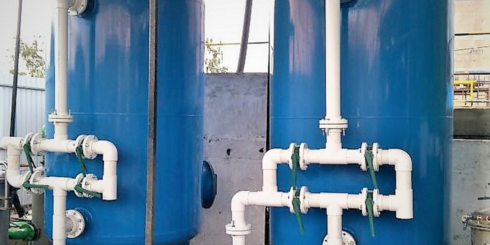
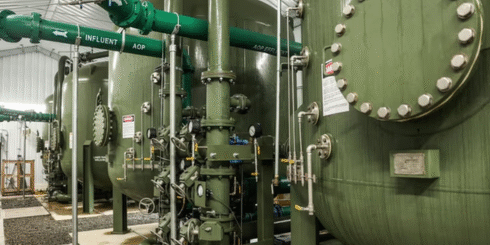
From there, they design systems that may include filtration, softening, reverse osmosis, UV purification, and smart controls—all precisely tuned to the operation.
No overkill. No guesswork. Just a clean, efficient system that does its job without babysitting.
Goodbye, Buildup: The Magic of Scale and Sediment Removal
Let’s talk about an unsexy but crucial part of water treatment: scale and sediment removal.
Scale forms when minerals like calcium and magnesium crystallize and cling to surfaces—inside pipes, valves, heating elements, and more. Over time, it reduces flow, destroys efficiency, and breaks expensive equipment. Think clogged steamers, sluggish HVAC units, or corroded boiler systems.
Sediment—stuff like sand, rust, or dirt—does its own kind of damage. It scratches glassware, jams moving parts, and creates water that looks, well… unappealing.
Modern commercial water systems often include dedicated pretreatment filters or conditioners to tackle this before it becomes a headache. And here’s the kicker: with smart sensor tech, you can monitor performance in real-time—so you’re not guessing if it’s working. You know it is.
How Commercial Water Treatment Companies Add Real Value
This isn’t a one-and-done industry anymore. The best commercial water treatment companies are partners, not vendors.
They offer:
- On-site water testing to identify problem areas
- Regulatory compliance consulting, especially for food service or medical fields
- Maintenance plans with routine filter changes and inspections
- Emergency service for unexpected failures or contamination issues
- Scalability—systems that grow with your business
And the cherry on top? Many are going green, offering eco-friendly options that use less salt, generate less waste, and consume less energy.
Whether you’re running a school district, data center, or spa, these companies know how to speak your language—and design around your challenges.
Real-World Applications That Might Surprise You
Water treatment isn’t just for industrial giants or luxury hotels. Here are a few scenarios where a smart water setup changes everything:
- Coffee shops and cafés use filtration to improve flavor consistency.
- Car washes install softening systems to prevent water spots.
- Schools implement UV and filtration to ensure safe drinking water.
- Greenhouses use custom nutrient filtration to protect plants.
- Manufacturers rely on purified water to cool and clean sensitive machinery.
In each case, the setup is different—but the principle is the same: treat water before it becomes a problem.
What to Consider Before You Commit
So you’re thinking about upgrading your water system. Great. Here are a few key questions to start with:
- Do you know what’s currently in your water?
If not, get it tested—many companies do it for free. - What are your pain points?
Bad taste? Spotting? Equipment failure? Break that down. - How much water do you use daily?
Peak vs. average usage will impact the system design. - Do you need redundancy?
Some businesses can’t afford downtime. Dual systems may be necessary. - What’s your maintenance tolerance?
Be honest here. Some systems are low-touch, others need regular upkeep.
The Bottom Line: Plan Smart, Drink Smarter
Water treatment used to be a backroom thing—something you only thought about when it broke. But not anymore. In today’s world of precision operations and high expectations, clean, reliable water isn’t just a nice-to-have. It’s essential.