What’s Really in Your Water? A Down-to-Earth Guide to Cleaner Living
So, here’s the thing. Most of us trust what comes out of the tap. We turn it on, fill a glass, maybe give it a sniff if we’re feeling suspicious—but then we drink. We shower. We cook. We do laundry. We let our kids splash around in it. And we never really ask what’s actually in it.
But every once in a while, something feels… off. Your white clothes start coming out greyish. Your kettle builds up that crusty nonsense. Your skin feels weirdly dry. And maybe, just maybe, your water tastes like it’s been dragged through a pipe that’s seen better decades.
That’s when it’s time to stop guessing—and start digging deeper into what you’re drinking, bathing in, and giving to your family every day.
The Truth About Tap: It’s Not Always What You Think
Here’s what nobody tells you when you buy a home or settle into a new rental: even “safe” water can carry things you don’t want. Chlorine, lead, iron, calcium, sulfur—you name it. Some of it gets filtered out at the municipal level, but a lot of stuff still manages to hitch a ride through aging pipes or over-treated systems.
And let’s be real: just because it meets government standards doesn’t mean it’s the best water for your health or your home.
That’s why more and more homeowners are turning to water testing near me as a starting point. It’s not just about safety—though that’s a huge deal—it’s about quality. Taste. Feel. Even smell. Getting a proper water test done is like getting your water’s blood work back. It gives you the full picture.
Soft Water vs. Hard Reality
Ever notice how soap just doesn’t lather the way it used to? Or how your dishes seem cloudy, no matter how good your dishwasher detergent is?
You’re probably dealing with hard water.
It’s not dangerous, but it is annoying—and damaging. It clogs your pipes. It shortens your appliance lifespan. It makes your showers feel like you’re rinsing off in chalk dust. And over time, it adds up. You start replacing things more often. Repairs happen sooner than they should. You spend more money on detergent, shampoo, and bottled water than you even realize.
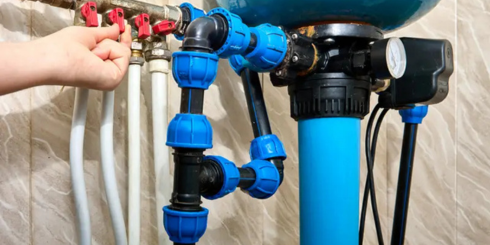
That’s why searching for a home water filtration system near me isn’t some luxury—it’s self-preservation. A proper system can soften your water, filter out the gunk, and make everyday life just… smoother.
It’s Not Just About Drinking Water—It’s About Everything
Most people think filtration is about what comes out of the faucet, but let’s zoom out for a second.
Filtered water doesn’t just taste better. It feels better. Your showers are gentler. Your skin stays hydrated. Your laundry comes out softer and smells cleaner. Your appliances breathe a sigh of relief every time they don’t have to fight through scale and sediment.
It’s not magic—it’s just chemistry. When your water is balanced, your home runs smoother. It’s less stress, fewer repairs, and a whole lot more comfort.
Choosing the Right Partner Makes All the Difference
Let’s say you’ve decided to take the plunge. You want to test your water. Maybe invest in a system. That’s great—but don’t go down the rabbit hole of DIY filtration units and online reviews that contradict themselves every five minutes.
This is where local knowledge wins.
Start by looking up water treatment companies near me—and not just the big national brands. Look for someone who knows your region. Someone who’s dealt with your kind of water before. Local water experts aren’t just trying to make a sale—they’re trying to protect their own communities. That kind of insight? You can’t buy that online.
Ask questions. See if they offer free testing. See if they do installations themselves or just resell third-party equipment. The right company will walk you through the results, explain your options in plain English, and offer you real choices—without pressure, gimmicks, or jargon.
Systems That Make Sense
Not all homes need the same solution. That’s the beauty (and the challenge) of water treatment.
A city apartment might need a simple under-sink reverse osmosis filter for better drinking water. A rural home with well water might need a more serious setup with iron filters, UV sanitizers, and softeners. Some families are sensitive to chlorine; others battle sulfur smells or rust-colored water.
That’s why working with a good technician—someone who’s not just trying to push the most expensive gear—can save you from wasting money on the wrong setup.
Get what you need. Not more, not less.
What to Expect After Installation
So you’ve installed a system. Now what?
Well, it’s kind of like a quiet life upgrade. You’ll start noticing things in subtle ways. Your tea tastes better. Your hair feels softer. Your coffee maker doesn’t scream in protest after a few months. Your dog drinks from the bowl like he just found a mountain spring.
And maintenance? It’s not a big deal. Most modern systems only need occasional filter swaps or salt refills, and good companies usually offer service plans or reminders to help you stay on top of it.
The best part? You’ll stop thinking about your water—which is kind of the point. It just works.
Not All Filters Are Created Equal
Quick heads up: those little jug filters or fridge add-ons? They’re fine—for very basic polishing. But they don’t hold a candle to whole-home or point-of-use filtration systems when it comes to serious results.
If you’ve got deeper issues—rust, sediment, bacteria, hard water—those lightweight filters just won’t cut it.
That’s not to say you need to spend thousands, either. But a professional assessment will tell you exactly what you do need—and that kind of insight? Worth every penny.
Final Thought: You Deserve Better Water
You brush your teeth with it. You bathe your kids in it. You clean your veggies with it. You fill your dog’s bowl with it. And you drink it—every day, without a second thought.