When Water Quality Starts Affecting Business More Than You Expect
There’s a moment in most businesses when water quietly becomes part of the conversation. Not in a big, boardroom kind of way—but in small, practical frustrations. Coffee doesn’t taste right. Equipment needs repairs more often than it should. Customers notice something’s off, even if they can’t quite explain it.
At first, it’s easy to brush aside. Just one of those things.
But over time, those little signals add up. And suddenly, water isn’t just a utility—it’s a variable you can’t ignore anymore.
Why Water Matters More in Business Than We Realize
Think about how many industries rely on water without actively thinking about it. Restaurants, hotels, manufacturing units, laundries, healthcare facilities—the list goes on.
Water touches everything. It influences taste, cleanliness, efficiency, even brand perception.
And unlike electricity or internet outages, water problems rarely shut things down instantly. They work more subtly. A slight drop in quality here, a small inefficiency there. Costs creep up. Customer experience dips. Maintenance becomes more frequent.
It’s not dramatic. But it’s persistent.
The Quiet Cost of Ignoring Water Quality
One of the biggest misconceptions is that water issues are either obvious or dangerous. In reality, most problems fall somewhere in between.
Hard water, for example, doesn’t scream for attention. But it slowly builds scale inside pipes and equipment, reducing efficiency over time. Filters clog faster. Heating systems work harder. Energy bills inch upward.
In food-related businesses, even minor impurities can alter taste. And when taste is part of your brand, that matters more than you might think.
This is where commercial water treatment starts to make sense—not as a luxury, but as a practical investment. It’s about protecting your operations from slow, invisible wear and tear.
Different Businesses, Different Water Needs
There’s no universal solution when it comes to water. A café doesn’t have the same requirements as a textile factory. A hospital’s standards are completely different from a car wash facility.
And yet, they all share the same underlying need—consistent, reliable water quality.
For some businesses, the focus is on taste and clarity. For others, it’s about preventing mineral buildup or removing specific contaminants. The approach varies, but the goal remains the same: water that supports operations instead of complicating them.
That’s why tailored systems tend to work better than generic ones. They’re built around actual usage, not assumptions.
When Filtration Becomes Part of the Customer Experience
Here’s something that often gets overlooked—customers notice water, even when they don’t consciously think about it.
In a restaurant, it’s the difference between a great cup of coffee and an average one. In a hotel, it’s how the shower feels. In a salon, it’s how hair responds after washing.
These are subtle experiences, but they shape perception.
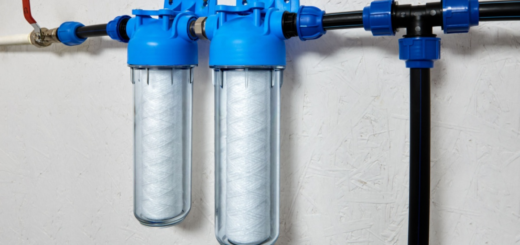
That’s where business water filtration comes into play. It’s not just about removing impurities—it’s about creating consistency. Making sure every interaction, no matter how small, reflects the quality you’re aiming to deliver.
Because in business, consistency isn’t optional. It’s everything.
Scaling Up: When Basic Solutions Aren’t Enough
As operations grow, water demands become more complex. What worked for a small setup might not hold up under higher usage or stricter requirements.
Manufacturing units, for instance, often deal with large volumes of water that need precise treatment. Even slight variations can affect product quality or production efficiency.
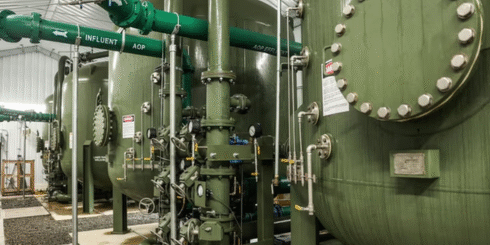
This is where industrial water systems step in. These setups are designed to handle scale—both in terms of volume and complexity. They’re engineered, monitored, and often customized to meet very specific needs.
It’s a different level of commitment, yes. But for many industries, it’s not just beneficial—it’s essential.
The Long-Term View Most Businesses Miss
One of the reasons water treatment gets delayed is because the benefits aren’t always immediate or obvious. There’s no flashy before-and-after moment.
Instead, the value shows up over time.
Fewer equipment breakdowns. Lower maintenance costs. Improved product consistency. Better customer feedback. These aren’t dramatic changes, but they’re meaningful ones.
And when you add them up over months or years, the impact becomes hard to ignore.
It’s less about quick wins and more about steady, reliable improvement.
Getting Started Without Overcomplicating Things
If you’re beginning to think about water in your business, it’s easy to feel overwhelmed. There’s a lot of information out there, and not all of it is relevant to your situation.
So start simple.
Observe. Notice patterns. Are there recurring maintenance issues? Customer complaints? Unexpected costs? These are often linked to water quality more than you might expect.
Next, consider testing your water. A proper analysis can reveal what’s actually happening beneath the surface. It’s the difference between guessing and knowing.
From there, you can explore solutions that align with your specific needs—not someone else’s.
A Thought Worth Holding Onto
Water might not be the most exciting part of running a business. It doesn’t show up in marketing campaigns or sales pitches.
But it plays a role in everything.
And when it’s working well, you barely notice it. That’s the point. It supports your operations quietly, reliably, without drawing attention to itself.
When it’s not, though… it has a way of making itself known.
So maybe the goal isn’t to make water perfect. Maybe it’s just to make it dependable. Consistent. Something you don’t have to think about every day.
Because in business, the things you don’t have to worry about? Those are often the ones that matter most.