From the journal · October 26, 2026
Choosing the Right Water Solutions for Your Home or Business
Water is one of those things we tend to take for granted. We turn on a tap to make coffee, wash vegetables, clean the kitchen, or get ready for work, rarely stopping to think about what’s actually flowing through the pipes. That changes pretty quickly when the water starts tasting strange, leaves chalky marks on the fixtures, or causes problems with equipment that used to work perfectly well.
Whether you’re looking after a family home or managing a busy commercial property, water quality deserves more attention than it usually gets. The good news? You don’t need to understand every technical detail to make a sensible decision. You just need to identify the problem, understand your options, and choose a solution that fits the way you use water every day.
Related reading: Making Water Treatment Easier: What Homeowners Should Know Before Choosing a System · Understanding How a Water Softener Fits Into Your Home’s Plumbing System
Every Property Has Different Water Needs
There’s no universal solution for water problems. A household dealing with hard water may need something entirely different from a restaurant concerned about taste, a hotel trying to reduce scale buildup, or an office looking to improve its drinking water.
Water characteristics vary according to the original source, local geology, treatment processes, and the plumbing through which the water travels. Some supplies contain high concentrations of calcium and magnesium, while others may have noticeable chlorine odors, sediment, iron staining, or other issues.
Even two neighboring properties can experience different problems, particularly when their plumbing systems or water sources aren’t the same.
That’s why effective residential water solutions begin with understanding the household rather than immediately purchasing equipment. Consider how many people live in the property, whether the water comes from a municipal supply or a private well, and which problems are causing the most frustration.
For one family, the priority might be better-tasting drinking water. For another, it could be reducing scale in the water heater or dealing with persistent stains in the bathroom. Getting those priorities straight makes it much easier to choose equipment that genuinely helps.
Start With Water Testing, Not Guesswork
A water filter might seem like an obvious answer when the water tastes unpleasant. But what if the real issue is an old pipe, excessive hardness, or a contaminant the filter wasn’t designed to remove?
Without testing, it’s difficult to know.
An in-home water analysis can help identify relevant characteristics and potential concerns. Depending on the water source and the reason for testing, this may involve checking pH, hardness, dissolved solids, iron, nitrates, or particular contaminants.
Simple home testing kits can be useful for preliminary checks, although their capabilities vary. When there’s a concern about harmful bacteria, lead, arsenic, or other potentially dangerous substances, laboratory testing is generally a more reliable choice.
It’s also important to understand what test results actually mean. A high total dissolved solids reading, for example, doesn’t automatically establish that water is unsafe. Similarly, water that looks clear and tastes fine isn’t necessarily free from harmful contaminants.
Testing should guide the decision, not merely confirm what someone already suspects. Once you know what’s present, you can compare treatment methods based on their demonstrated ability to address the specific problem.
For homes connected to public water systems, local water quality reports can provide useful background information. However, they won’t necessarily reveal contamination that develops inside a property’s own plumbing.
Understanding the Different Treatment Options
Water treatment involves several technologies, each designed for particular purposes. Knowing the basic differences can save homeowners and business operators from investing in the wrong equipment.
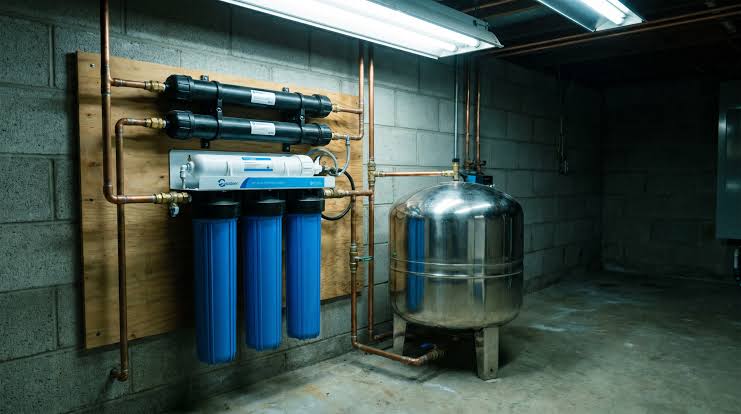
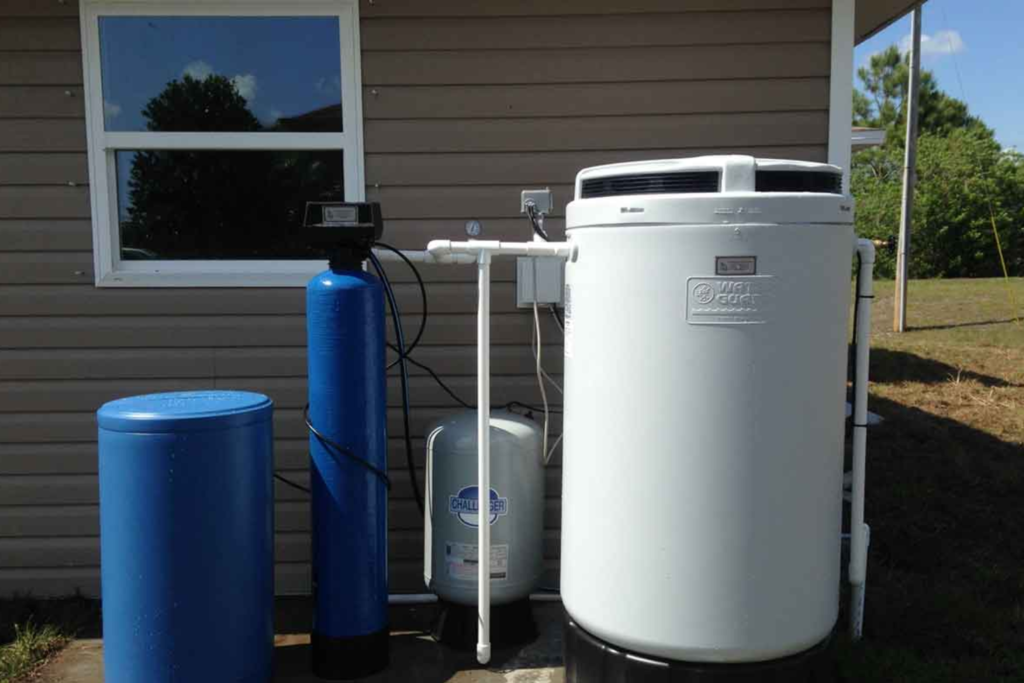
Water softeners, for instance, commonly use ion exchange to reduce calcium and magnesium. They’re particularly helpful where hard water causes scale deposits, stiff laundry, or problems with water-using appliances.
Activated carbon filters are often used to improve taste and reduce chlorine or certain organic compounds. Reverse osmosis systems can reduce a range of dissolved substances, depending on their design and certification. Ultraviolet treatment can help inactivate susceptible microorganisms when the system is properly selected and installed.
None of these technologies solves every water problem.
A softener won’t automatically remove bacteria, and a standard carbon filter shouldn’t be assumed to eliminate every chemical contaminant. Ultraviolet disinfection doesn’t remove dissolved salts or metals. Treatment may also require several stages when the source water has multiple problems.
The sensible approach is to match the equipment to the test results, expected water demand, installation conditions, and maintenance budget. A qualified professional can help explain which technologies are appropriate and where their limitations lie.
Why Businesses Need a More Considered Approach
Water requirements become more complicated when a property serves customers, employees, tenants, or guests. Restaurants use water for food preparation, ice machines, dishwashing, and cleaning. Hotels depend on reliable water for showers, laundry, kitchens, and guest facilities. Manufacturing operations may need water with tightly controlled characteristics for specific processes.
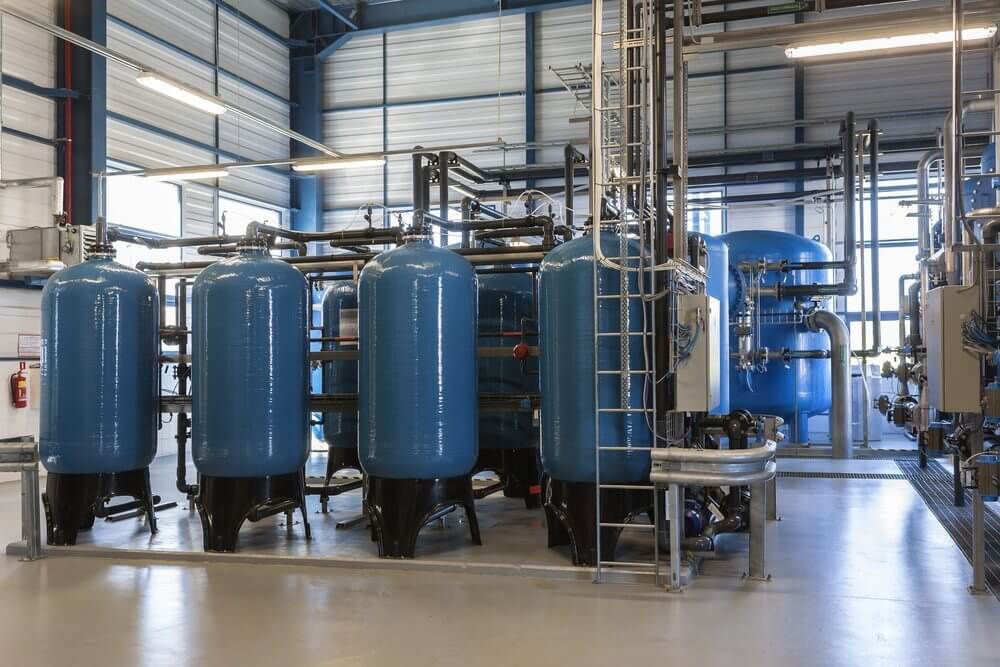
In these settings, commercial water treatment is about more than improving taste. It’s often essential for protecting equipment, maintaining consistent operations, and meeting applicable health and industry requirements.
Hard water can contribute to scale inside boilers, heat exchangers, and commercial dishwashers. Over time, deposits may reduce efficiency and increase maintenance needs. Sediment can interfere with certain equipment, while unsuitable water chemistry may affect production processes or product quality.
The right system depends heavily on the business. A small café may need targeted filtration for beverages and ice, whereas a larger facility could require pretreatment, softening, reverse osmosis, or carefully controlled process-water treatment.
Water demand matters, too. Equipment designed for a small household may struggle to meet the flow rate required by a busy restaurant. Commercial systems need to be sized for peak usage, not simply average daily consumption.
Businesses should also consider service access, replacement parts, operating costs, and the consequences of unexpected downtime. A slightly cheaper system can become an expensive choice if it repeatedly interrupts normal operations.
Installation and Maintenance Make a Real Difference
Choosing good equipment is only half the job. Installation quality and routine maintenance determine whether a system continues performing as intended.
Incorrect plumbing connections can cause leaks, restrict flow, or allow untreated water to bypass the treatment equipment. Certain installations may also require drainage connections, electrical supplies, backflow protection, or compliance with local plumbing regulations.
Working with a qualified installer helps ensure that the system suits the property’s plumbing and follows applicable requirements. Before the work begins, ask what the installation includes, how performance will be checked, and which maintenance tasks you’ll need to handle yourself.
Filters and other consumable components need replacing according to the manufacturer’s recommendations. Softeners may require salt replenishment and periodic servicing, while some disinfection systems need regular checks to confirm proper operation.
Commercial properties should establish a maintenance schedule that fits their operating requirements. Waiting until the water tastes different or a machine develops a problem can mean unnecessary disruption.
Keeping service records also helps. A simple log of filter changes, inspections, test results, and repairs can make future troubleshooting much easier.
Looking Beyond the Initial Price
Water treatment equipment is an investment, but the purchase price tells only part of the story. Replacement filters, energy consumption, water waste, servicing, and equipment lifespan all influence the long-term cost.
It’s worth comparing those expenses before making a decision. A reverse osmosis system, for example, may provide the reduction in dissolved contaminants you need, but its water use and maintenance requirements should be understood in advance.
Likewise, installing a whole-property system may be unnecessary if the concern is limited to drinking water at one kitchen tap.
Think about the problem you’re trying to solve and the improvement you expect to see. Ask suppliers for clear performance information, independent certifications where relevant, and realistic maintenance estimates. Be cautious of broad claims that a single device removes every possible contaminant.
Good advice should help you understand your options, not pressure you into buying the most expensive package.
Making a Better Choice for the Long Term
Reliable water management starts with a simple principle: understand the water before deciding how to treat it. Testing, appropriate equipment, professional installation, and regular maintenance work together to deliver better results than any one product can provide on its own.
For homeowners, the benefit may be more comfortable daily routines, fewer mineral deposits, or greater confidence in drinking water. For businesses, it can mean more consistent operations, better equipment protection, and fewer avoidable interruptions.
Water may not be the first thing you think about when maintaining a property, but it influences a surprising number of everyday activities. Take the time to understand your needs, compare solutions carefully, and invest in equipment that addresses a real problem.
In the long run, the best water solution isn’t necessarily the biggest or most advanced one. It’s the one that works reliably, fits your budget, and makes life a little easier every time you turn on the tap.