Roof Cleaning Tips Given by Happy Clean for Dublin Homeowners. PRO Ideas
Roof cleaning might not be the first thing that comes to mind when you think about home maintenance, but it’s one of the smartest habits to adopt if you care about keeping your property in great condition. A clean roof doesn’t just make your house look neat—it protects the structure underneath from moisture damage, moss growth, and long-term wear. Happy Clean, one of the most trusted roof cleaning companies in Dublin, has shared some professional insights that every homeowner should know.
Roof Cleaning tip nr 1: Understanding Your Roof’s Needs in the Dublin Climate
Living in Dublin means your roof faces constant exposure to wind, rain, and occasional frost. These weather patterns might seem harmless, but over time they cause gradual wear that shortens the roof’s lifespan. The city’s damp, mild climate is the perfect breeding ground for moss, algae, and lichen—organisms that slowly break down roof materials and trap moisture. That moisture can seep beneath tiles and into the underlayment, eventually leading to leaks or even structural damage if left unchecked.
Regular cleaning helps fight this slow decay. By removing debris and biological growth, your roof can “breathe,” letting water drain properly and preventing waterlogging. This isn’t just about keeping things tidy—it’s about keeping your home safe and dry year-round. A well-maintained roof also reflects heat better and reduces energy costs, something every Dublin homeowner can appreciate.
How Irish Weather Affects Roof Materials
The mix of rain, coastal winds, and fluctuating temperatures in Ireland creates a harsh environment for most roofing materials. For example, slate roofs—common in Dublin—can absorb moisture that freezes and expands during colder months, leading to cracks. Asphalt shingles, on the other hand, may curl or lose granules from repeated wet-and-dry cycles. Even metal roofs can corrode over time if grime and moss aren’t removed regularly.
The key takeaway? Irish weather is relentless, and the smallest bit of neglect can lead to big problems later. That’s why professional roof cleaning isn’t a luxury—it’s a necessity. By staying ahead of the climate’s impact, you prevent damage before it starts.
Common Issues: Moss, Algae, Debris, and Gutter Overflow
Moss and algae thrive in Dublin’s damp atmosphere, especially on north-facing roofs that get little sunlight. While moss might look harmless, it acts like a sponge—holding water against the roof surface. This moisture causes tiles to lift and weakens the roof’s waterproofing. Algae adds those dark streaks you sometimes see on rooftops, which not only look bad but can degrade materials over time.
Leaves, twigs, and dirt also collect in gutters, causing overflow when it rains. That overflow can damage fascia boards, walls, and even the foundation. The pros at Happy Clean Dublin always emphasise cleaning gutters along with the roof, ensuring the entire drainage system works efficiently.
Signs Your Roof Needs Cleaning
You don’t need to climb up to spot when your roof needs attention. Look out for dark streaks, green patches, or moss buildup on the surface. Another clear sign is water spilling over the edges of gutters instead of flowing smoothly through them. Inside the house, damp ceilings or mould near the attic may also indicate that the roof’s drainage system isn’t working properly.
When these signs appear, it’s time to act quickly. The longer moss or algae stay on your roof, the deeper they root into the surface, making them harder to remove later. A professional cleaning every 12 to 18 months—depending on your area and exposure—can prevent these issues and keep your roof looking and performing its best.
Roof Cleaning tip nr 2: Pro Techniques Employed by Happy Clean Dublin
What separates Happy Clean Dublin from the average cleaner is their mix of advanced equipment, eco-friendly products, and meticulous attention to detail. Roof cleaning, when done correctly, is more science than scrubbing — it requires knowing which method works best for each roof type and condition. The team starts every job with an inspection, identifying problem areas, the kind of buildup present, and the safest way to remove it.
Their methods focus on preservation, not just aesthetics. Rather than blasting away grime, they use cleaning systems that protect the roof’s surface and prevent future regrowth of moss and algae. This ensures long-lasting results and minimises the risk of structural damage. Let’s break down some of their most effective professional techniques.
Soft-Washing vs. High-Pressure Cleaning
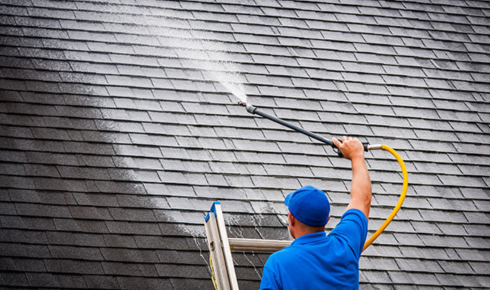
The biggest mistake homeowners make is assuming that high-pressure cleaning is the fastest solution. While it might look effective at first, too much pressure can strip away protective coatings, loosen tiles, and even cause leaks. Happy Clean Dublin relies on soft-washing, a low-pressure technique that uses biodegradable detergents to dissolve moss, algae, and dirt gently.
Soft-washing is especially ideal for delicate materials like slate or clay tiles, which are common across Dublin. The cleaning agents kill organic growth at its root rather than just washing it off the surface, which means moss and algae take much longer to return. For certain tough spots, professionals may combine soft-washing with a careful rinse using moderate pressure — always within safe limits to protect the roof’s integrity.
Selecting the Right Detergent and Rinse Method
Choosing the correct cleaning solution is critical. Not every detergent is safe for roofing materials, and using harsh chemicals can cause discolouration or accelerate wear. Happy Clean Dublin uses biodegradable, non-toxic detergents designed specifically for roof cleaning. These solutions break down organic buildup while being safe for pets, gardens, and gutters.
Once applied, the team lets the solution dwell long enough to lift dirt and kill spores before rinsing it off carefully. Rinsing is just as important as washing — too much water pressure or poor drainage can push debris into gutters or under tiles. The pros control the rinse flow, ensuring all residues are removed while keeping runoff eco-safe. This precision is what makes their cleaning jobs last longer and look more even.
Safety and Equipment Essentials
Roof cleaning is a risky job without the right safety protocols. Professionals at Happy Clean Dublin use harness systems, anchor points, and non-slip footwear to ensure maximum safety. They also employ telescopic lances and long-reach tools that allow them to clean from secure positions whenever possible, reducing the need to step directly on the roof.
Their equipment includes water-fed poles, surface cleaners, and adjustable sprayers for different pressure settings. They even use specialised brushes for stubborn moss that can’t be safely pressure-washed. Each piece of equipment is designed to minimise physical strain while maximising efficiency and safety.
Safety isn’t just for the workers — it also protects your home. With proper tools and expertise, they avoid broken tiles, clogged drains, and overspray on nearby surfaces like windows or walls. This attention to detail is one of the main reasons Dublin homeowners trust them for repeat services.
Roof Cleaning tip nr nr 3 : Step-by-Step Roof Cleaning Process (Infographic)
To understand what truly goes into a professional roof cleaning by Happy Clean, it helps to visualise the process step-by-step. This isn’t a random power wash — it’s a carefully planned routine designed to clean efficiently while protecting your roof from any potential harm.
Here’s a detailed breakdown of their proven process:
Pre-Inspection and Protection of Surroundings
Before any cleaning begins, Happy Clean Dublin performs a full roof inspection. This step identifies damaged tiles, weak spots, or areas where moss growth is most concentrated. By spotting these early, they can clean safely without worsening any pre-existing issues.
Next, they protect the surroundings — this means covering plants, sealing off outdoor sockets, and diverting runoff away from flower beds or driveways. Gutters and downpipes are also checked to make sure they’re not blocked before the cleaning begins. This level of preparation keeps both your roof and property safe throughout the process.
Actual Cleaning Sequence (Moss Removal, Wash, Rinse)
Once everything’s set, the team manually removes large moss clumps using soft brushes or scrapers. This step ensures the cleaning solution can reach the surface beneath, where moss roots often cling. Afterwards, they apply a soft-wash cleaning solution evenly across the roof. The mixture is left to dwell for a short period, allowing it to dissolve algae, lichen, and dirt without damaging the tiles.
Next comes the rinse — a low-pressure, controlled wash that clears away the loosened grime and residues. The result is a clean, bright roof with no streaks or damage. The soft-wash solution also continues working even after rinsing, providing ongoing protection against regrowth for several months.
Final Check, Gutters, and Waste Disposal
After cleaning, the pros do a full post-inspection to ensure every section of the roof is spotless and undamaged. They check the gutters once more, removing any remaining debris or runoff residues. This step is crucial because freshly cleaned roofs often release moss and dirt into the drainage system.
Lastly, all waste and runoff are safely collected and disposed of according to eco-friendly standards. No harsh chemicals are left behind, and the team ensures everything is left clean and tidy — including patios and driveways that might’ve caught water spray.
Quick Visual Recap (Infographic Style)
- 🧰 Step 1: Roof inspection & safety prep
- 🌿 Step 2: Protect plants and property
- 🪣 Step 3: Manual moss removal
- 🧼 Step 4: Apply soft-wash solution
- 💧 Step 5: Controlled rinse and clean
- 🧹 Step 6: Gutter clearing
- ✅ Step 7: Final check & eco waste disposal
This meticulous process guarantees your roof not only looks great but remains structurally sound for years to come.
Roof Cleaning tip nr 4: Maintenance Tips to Extend Your Roof’s Lifespan
Once your roof has been professionally cleaned, keeping it in top condition becomes much easier. The real secret to a long-lasting roof is consistent maintenance — not waiting until problems appear. Happy Clean Dublin stresses that prevention is far cheaper and simpler than repair. A few minutes of upkeep each season can save you from thousands in future roof or water damage costs.
Clean roofs also improve insulation and energy efficiency since dirt and moss can trap moisture and prevent tiles from reflecting sunlight properly. With Dublin’s unpredictable weather, having a maintenance routine ensures that your home stays dry, safe, and energy-smart all year round.
Here’s how to make that happen.
Seasonal Checklist for Dublin Homes
Dublin’s weather changes fast, so aligning your roof care with the seasons makes a big difference:
- Spring: Inspect for winter damage — look for cracked tiles, loose flashing, and moss starting to grow. Clear away debris from gutters and check that drainage systems are flowing freely.
- Summer: This is the best time for professional cleaning. The dry weather allows detergents and treatments to work effectively, and the roof dries faster.
- Autumn: Clear leaves and twigs before heavy rains begin. Check for any blockages and trim back overhanging branches that drop debris.
- Winter: Watch for ice buildup or leaks inside your attic. Even small drips can signal bigger problems hidden under tiles.
By following this simple seasonal routine, you stay ahead of weather-related damage before it worsens.
DIY Simple Tasks vs. When to Call Professionals
Some maintenance can be done safely from the ground, like checking gutters with a camera pole or brushing away loose debris from lower roofs. Applying anti-moss treatments or rinsing off minor dirt buildup is fine if you use the right equipment and safety measures.
However, climbing onto a roof or handling chemicals without experience can be risky. That’s where professionals like Happy Clean Dublin come in. They’re trained to work at heights, use the correct safety gear, and know exactly how much pressure or detergent your roof can handle. Calling the pros once or twice a year ensures deeper cleaning without the danger or guesswork of DIY attempts.
Think of it like car maintenance — you can top up the fluids yourself, but you still need a mechanic for a full service. The same logic applies to your roof.
Cost-Benefit: Saving Money on Repairs and Energy
Many homeowners hesitate to hire professionals because of the cost, but roof cleaning is one of those rare services that pays for itself over time. A neglected roof can lead to leaks, water damage, mould growth, and insulation problems — all of which are far more expensive to fix.
A clean roof reflects sunlight better, preventing heat absorption and lowering cooling costs in summer. In winter, it prevents moisture from freezing under tiles, reducing the risk of cracks. The pros at Happy Clean Dublin often point out that routine cleaning can extend a roof’s lifespan by up to 10–15 years, depending on the material and maintenance frequency.
So instead of viewing cleaning as an expense, think of it as a long-term investment — one that keeps your roof strong, your home comfortable, and your wallet happy.
Conclusion
Keeping your roof clean isn’t just about making your home look sharp — it’s about protecting your biggest investment from the elements. As Happy Clean Dublin’s professionals always emphasise, a clean roof means a stronger, longer-lasting, and more energy-efficient home. Dirt, moss, and algae might seem harmless at first, but over time, they quietly eat away at tiles, block gutters, and trap moisture. Regular cleaning is your best defence against all that costly damage.
When you trust experts like Happy Clean Dublin, you’re not just getting a spotless roof — you’re getting professional insight, eco-friendly care, and peace of mind. Their methods balance safety, precision, and long-term results, making them one of Dublin’s go-to roof cleaning teams. From soft-washing and proper detergent selection to detailed inspections and maintenance plans, their pro approach ensures every roof they touch stays in excellent condition.
For Dublin homeowners, the takeaway is simple: don’t wait for visible damage. Adopt a proactive cleaning routine, follow seasonal maintenance tips, and bring in the pros for a deeper clean at least once a year. Your roof will thank you with years of reliable protection, fewer repairs, and a home that looks as good as it performs — rain or shine.