The Alkaline Shift: Making Your Water Work For You
We live in a world where health trends come and go faster than last season’s sneakers. But one that’s quietly stuck around — and for good reason — is alkaline water. Now, if your first thought is, “Alka-what?” don’t worry. You’re not alone. I didn’t get it either at first. I thought water was just water. Right?
Turns out, not all H₂O is created equal.
Alkaline water, in the simplest terms, has a higher pH than regular tap water — meaning it’s less acidic. People swear it gives them more energy, balances their bodies, and even helps with things like acid reflux. Science is still catching up, but one thing’s for sure: the buzz is real. So naturally, people are asking: Can I make this stuff at home without breaking the bank?
Let’s get into it.
Why Go Alkaline in the First Place?
Before we start throwing lemons and baking soda into pitchers, let’s understand why people are switching in the first place.
Your body has its own pH system. The theory goes that the more acidic your body becomes (due to processed foods, stress, pollution, etc.), the more prone you are to inflammation, fatigue, and other health hiccups. Alkaline water, in theory, helps balance things out.
Is it a cure-all? No. But is it a simple lifestyle tweak that makes you feel better? For many, absolutely.
Alkaline Water vs. Regular Water: What’s the Real Difference?
Okay, so let’s get nerdy for just a second.
The pH scale runs from 0 to 14. Neutral is 7. Regular tap water usually hovers around 6.5 to 7. Alkaline water sits between 8 and 9.5, thanks to minerals like calcium, potassium, magnesium, and bicarbonate.
These minerals are the secret sauce — they’re what give alkaline water its “edge.” Some bottled brands infuse them in fancy ways, but spoiler alert: you can replicate it at home with just a few kitchen staples and a bit of intention.
Let’s talk how to make alkaline water without splurging on some high-tech ionizer that costs more than your first car.
1. The Baking Soda Trick
Ah, baking soda — the unsung hero of everything from toothpaste to banana bread.
Baking soda is alkaline by nature. Adding about 1/8 teaspoon to an 8-ounce glass of purified water gives it a pH bump. Just stir until it dissolves. That’s it. Simple, old-school, and actually effective.
But here’s the deal — it’s not for everyone. It has a salty taste that might not thrill your taste buds. And if you’re watching your sodium intake, maybe skip this one.
Still, it’s a classic when figuring out how to make alkaline water on a budget.
2. Lemon Water — Wait, Isn’t Lemon Acidic?
Now here’s where it gets interesting. Lemons are acidic in taste, sure — but once metabolized, they’re alkaline-forming. Sounds backward, but it’s true.
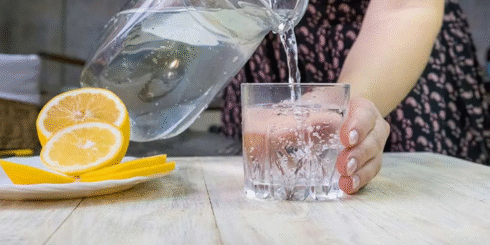
Just slice up a lemon (organic is ideal), toss it into a pitcher of water, and let it sit for 8–12 hours. Boom — alkalizing effects without weird additives.
This method is natural, refreshing, and doubles as a detox drink. Add a pinch of Himalayan salt if you want to boost the mineral content.
If you’ve been wondering how to make alkaline water naturally, this method is honestly one of the most underrated.
3. Add Alkaline Drops or Tablets
If you’re into gadgets or just want something mess-free, alkaline drops or mineralizing tablets might be your thing. A few drops in a glass can change the game. They’re portable, travel-friendly, and often packed with electrolytes.
This one isn’t “DIY” in the purist sense, but it’s still way cheaper over time than buying those sleek bottles from the health aisle.
Just make sure you read labels — not all drops are created equal.
4. Use a Water Filter Pitcher That Remineralizes
Another easy entry point? Alkaline water pitchers. These look just like regular Britas but contain filters that raise pH while removing common contaminants.
They’re perfect if you’re serious about improving water quality but don’t want to mess with recipes daily. Most use natural minerals like magnesium or calcium to do the job.
Long-term, this is probably one of the most sustainable ways to keep a consistent flow of alkaline goodness in your kitchen.
Tips to Keep in Mind
Not all water sources are the same. If your tap water is already hard (meaning it’s full of minerals), you might not need to do much. But if it’s soft and acidic, you’ll likely benefit from these methods more.
Also, moderation is key. Alkaline water isn’t meant to replace all your hydration. Listen to your body. And if you have kidney issues or are on medication, talk to your doctor before going full-on alkaline.
This isn’t a miracle elixir. It’s a gentle nudge in the right direction — and that’s enough.
Beyond Health: Taste, Texture, and Tea
Here’s a fun side effect no one talks about: your water tastes better. Crisper. Cleaner. Almost like it’s been through a glacier and back.
Your coffee? Smoother. Your tea? Less bitter. Your smoothies? More vibrant.
I didn’t expect that when I first started playing with pH levels, but it’s been a game-changer. And maybe that’s why so many people fall in love with the ritual — not just the health perks, but the experience.
The Wrap-Up: Water as a Wellness Ritual
Here’s what it boils down to: you don’t need a degree in chemistry or a bank-breaking water machine to start taking control of your hydration.
Whether you’re tossing lemons in a pitcher or trying alkaline drops, the options are there — easy, affordable, and effective. And hey, even if the health claims are still being debated, the simple act of caring about what goes into your body? That’s worth something.