The Kind of Water You Don’t Think About—Until It Changes Everything
There’s a funny thing about water at home—we rarely notice it when it’s good. It just flows, does its job, and disappears into the background of daily life. But the moment something feels off, even slightly, it suddenly becomes impossible to ignore.
Maybe it’s the taste of your morning tea that seems… different. Or the way your glass looks a bit dull after washing. Sometimes it’s even more subtle than that—a feeling, really, that something isn’t quite right.
And once you notice it, you start paying attention.
Not All Water Feels the Same (Even If It Looks It)
We tend to trust what we can see. If water looks clear, we assume it’s fine. Simple logic, right?
But water carries more than meets the eye. Tiny particles, minerals, disinfectants—things that don’t always change its appearance but can definitely change how it behaves. The taste, the smell, even how it interacts with your skin or appliances.
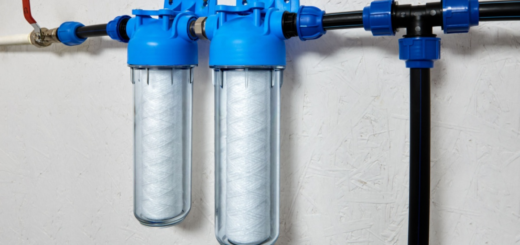
That’s where the idea of water filtration solutions comes in—not as some luxury upgrade, but as a way to bring consistency back into something you rely on every single day.
It’s less about fixing something “wrong” and more about improving something that’s already there.
When Tiny Particles Make a Big Difference
Have you ever filled a glass and noticed a faint haze? Or wiped your kitchen counter only to see a fine layer of residue left behind after the water dries?
That’s often due to suspended particles—sand, silt, or other sediments that sneak into your water supply. They’re usually harmless, but they can be frustrating.
Over time, these particles can also affect your plumbing. They settle in pipes, clog up fixtures, and make appliances work harder than they should.
This is where sediment removal quietly proves its worth. It’s not flashy. You won’t get a dramatic “before and after” moment. But you’ll notice fewer issues, smoother water flow, and less buildup in places you used to clean constantly.
Sometimes, the best improvements are the ones that feel almost invisible.
That Familiar Chlorine Taste (And Why It Lingers)
If you’ve ever taken a sip of tap water and been reminded of a swimming pool, you’re not alone.
Chlorine is commonly used to disinfect water, and while it plays an important role in keeping it safe, it can leave behind a taste and smell that’s… well, not exactly refreshing.
Some people get used to it. Others can’t stand it.
Either way, chlorine taste improvement becomes something people actively look for once they realize water doesn’t have to taste that way. A good filtration system can reduce that sharpness, leaving behind water that feels cleaner, softer—more neutral.
And once you experience that difference, it’s hard to ignore how noticeable it was before.
How Better Water Changes Everyday Habits
What’s interesting is how improving water quality doesn’t just affect one thing—it ripples through your entire routine.
Your coffee tastes richer, without that faint bitterness you couldn’t quite explain. Your dishes come out cleaner, without streaks or spots. Even your skin and hair feel different after a shower—less dry, more balanced.
It’s not dramatic. It doesn’t shout for attention.
But it’s consistent.
And over time, those small improvements add up to something that feels… better.
Finding the Right Balance Without Overcomplicating It
One of the biggest misconceptions about water filtration is that it has to be complicated. Expensive systems, endless options, technical jargon—it can feel overwhelming before you even start.
But it doesn’t have to be that way.
The key is understanding what your water actually needs. Not every home requires a full-scale system. Sometimes, a simple filter is enough to address specific concerns. Other times, a more comprehensive setup makes sense.
It’s less about chasing the “perfect” solution and more about finding something that works for your space, your routine, your expectations.
Listening to What Your Home Is Telling You
Homes have a way of communicating, even if we don’t always realize it.
A drop in water pressure. A change in taste. Residue that wasn’t there before. These aren’t random annoyances—they’re signals. Small ones, sure, but worth paying attention to.
And when you do, you start seeing patterns. You begin to understand what your water is doing, not just what it looks like.
That awareness alone can lead to better decisions, even without drastic changes.
Closing Thoughts: The Quiet Upgrade That Stays With You
At the end of the day, improving your water isn’t about chasing perfection or fixing something broken. It’s about making everyday life just a little smoother, a little more comfortable.
Because water is everywhere in your home. It touches almost everything you do. And when it feels right—when it tastes clean, flows easily, and doesn’t leave behind extra work—you notice the absence of problems more than anything else.
It becomes one less thing to think about.
And honestly, that’s the best kind of upgrade there is.