Why Better Water at Home Isn’t a Luxury — It’s a Smart Everyday Upgrade
You probably don’t think much about your water. Most of us don’t. It’s just there — running from the tap while we brush our teeth, rinse vegetables, brew coffee, or fill a bottle before heading out the door.
But every so often, something makes you notice it.
Maybe your shower door has that cloudy film that refuses to disappear. Maybe your dishwasher leaves spots no matter what detergent you try. Or maybe you’ve started wondering whether the water you drink every day is as clean as it could be.
Water sits quietly in the background of our lives. Yet it affects nearly everything we do at home.
The Annoyance of Hard Water
Let’s start with something many households experience without fully understanding it: hard water.
If you’ve ever seen white scale on faucets or felt like soap just won’t lather properly, you’re likely dealing with high mineral content. Calcium and magnesium are naturally present in many water supplies. They aren’t dangerous, but they can be frustrating.
That’s where hard water prevention becomes more than just a buzz phrase. It’s about protecting your plumbing and appliances from mineral buildup that slowly accumulates over time.
Hard water can shorten the lifespan of water heaters, washing machines, and dishwashers. It can make towels feel stiff and leave your skin feeling tight after a shower.
Installing a proper softening system can dramatically reduce those issues. The water behaves differently — soap works better, fixtures stay cleaner, and you spend less time scrubbing scale from bathroom tiles.
It’s not dramatic. It’s just… easier.
Drinking Water Deserves Attention Too
While scale and stains are visible annoyances, what you drink matters even more.
Municipal water systems are regulated, which is reassuring. But regulations allow certain levels of chlorine, dissolved solids, and trace contaminants. That doesn’t mean your water is unsafe — it just means there’s room for improvement.
Investing in systems that prioritize healthy drinking water isn’t about fear. It’s about refinement. Activated carbon filters, reverse osmosis units, and multi-stage systems can reduce chlorine taste, sediment, and other unwanted elements.
The first thing most people notice isn’t a lab result — it’s flavor.
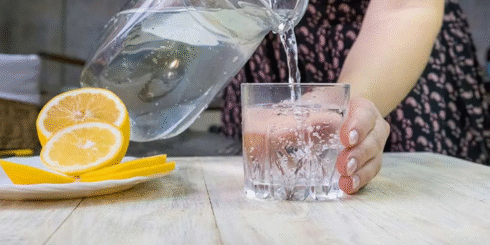
Coffee tastes cleaner. Tea feels brighter. Even plain water becomes something you reach for without hesitation.
And when water tastes good, you naturally drink more of it. That alone supports hydration, energy levels, and overall well-being.
The Ripple Effect of Cleaner Water
Here’s something interesting: once you improve your water, you start noticing changes you didn’t expect.
Laundry feels softer. Glassware dries without spots. Showers feel smoother. Cooking flavors improve subtly but noticeably.
This is the quiet power of cleaner water. It enhances daily routines without demanding attention. It doesn’t announce itself. It just works better.
There’s also a psychological comfort in knowing what’s flowing through your pipes is being filtered thoughtfully. You stop second-guessing. You stop buying bottled water “just in case.”
It becomes part of your home’s invisible infrastructure — dependable and steady.
Starting With Information
Before making any decisions, testing your water is the smartest first step. Hardness levels vary by region. Chlorine content fluctuates. Well water can present different challenges than municipal supplies.
A proper water analysis tells you what you’re actually dealing with. Without it, you’re guessing.
Some homes need softening. Others benefit more from filtration. Many use a combination of both. The key is matching the solution to your water profile.
Maintenance Is Part of the Equation
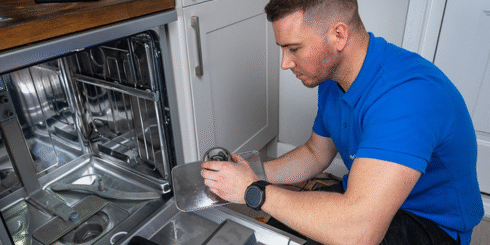
No water treatment system is completely hands-off. Filters need replacing. Softeners require salt refills. Components need occasional servicing.
But most modern systems are designed for manageable upkeep. Maintenance becomes a routine — similar to changing HVAC filters or servicing a water heater.
And when weighed against constant scrubbing of scale or replacing prematurely worn appliances, it often feels like a fair trade.
A Practical Investment
There’s always a financial side to consider. Water systems require upfront costs. Installation isn’t free. Filters and salt add to ongoing expenses.
But think long-term.
Appliances that last longer. Reduced need for harsh cleaning chemicals. Lower reliance on bottled water. Fewer plumbing headaches.
Often, the numbers make sense over time.
And even if the savings weren’t dramatic, the daily comfort alone can justify the investment.
More Than Just a Home Upgrade
We spend money on visible improvements — countertops, flooring, lighting. Yet water, which touches nearly every aspect of home life, often gets overlooked.
It’s foundational.
Improving it isn’t about chasing trends. It’s about addressing something essential.
When water works with you instead of against you, routines feel smoother. Cleaning takes less effort. Drinking feels refreshing rather than obligatory.
And once that shift happens, it becomes hard to imagine going back.
The Takeaway
If you’ve noticed scale buildup, odd tastes, or lingering concerns about water quality, it might be time to look closer. Start with testing. Understand your specific situation. Choose a solution that fits your needs rather than chasing the most complex option available.
Because in the end, better water isn’t about perfection. It’s about confidence.
Confidence when you turn on the tap. Confidence when you fill a glass. Confidence that something so basic — so constant — is working quietly in your favor.
And that kind of peace of mind, in everyday life, is worth more than most of us realize.