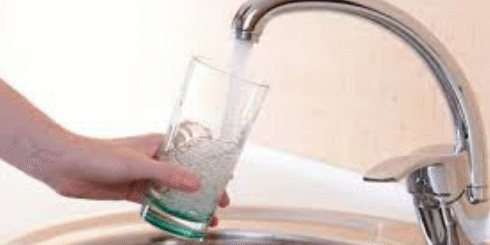
Why Does Florida Water Smell So… Funky Sometimes? Let’s Break It Down
If you’ve ever turned on a tap in Florida and thought, “Hold up… what is that smell?” — you’re not alone. Whether you’re a long-time resident, a snowbird, or just passing through for a Disney getaway, the curious odor of Florida’s water can catch just about anyone off guard. That faint (or not-so-faint) scent of sulfur, minerals, or even chlorine is part of a story that runs deeper than your kitchen sink.
And no, you’re not being dramatic. Florida water really does smell different — and there are solid scientific reasons behind it. Let’s dive into why your glass of water might come with a side of mystery.
The Swampy Source: Florida’s Aquifer System
Let’s start with where your water actually comes from.
Florida’s drinking water is mainly sourced from groundwater — particularly the Floridan Aquifer, one of the largest and most productive aquifers in the world. It’s this deep underground system of limestone and dolomite rock that provides fresh water to most of the state.
Sounds great in theory, right? But here’s the catch: as water seeps through layers of rock and sediment, it dissolves minerals along the way. This process contributes to Florida’s water being classified as “hard water.” And that’s a big part of why it can have a distinct taste or smell.
In particular, hydrogen sulfide — a naturally occurring gas — is often to blame for the infamous “rotten egg” scent.
The Sulfur Situation
Okay, so let’s address the elephant in the bathroom: Why does Florida water smell like sulfur?
The answer lies in that pesky hydrogen sulfide we just mentioned. This gas forms when organic matter breaks down underground in the absence of oxygen. It’s perfectly natural (albeit kind of gross-smelling), and it tends to pop up in places with a lot of decaying plant material — like Florida’s wetlands and swamps.
When water containing hydrogen sulfide comes out of your tap, it can carry that distinct odor. It’s not dangerous at the levels typically found in tap water, but it sure can make you second-guess that glass of H₂O.
Some areas of the state — especially more rural regions that rely on well water — are more prone to this issue. Municipal water treatment plants usually do a decent job of removing the odor, but it can still sneak through depending on where you are.
Is It Just Me, or Is the Whole State Smelly?
Nope, it’s not just you. And here’s something that might surprise newcomers: why does Florida smell like sulfur — not just the water, but sometimes the air?
Welcome to the joy of living near swamps, wetlands, and warm, stagnant bodies of water.
Sulfur odors aren’t limited to taps. In humid, low-lying regions like Florida, decaying vegetation and marsh gases can rise into the air and create a kind of earthy, eggy bouquet — especially after heavy rain or in summer heat. It’s not uncommon for entire neighborhoods to carry that scent for a few hours or even days.
This smell isn’t typically a health hazard, but it can be pretty overwhelming if you’re not used to it. Locals often stop noticing it after a while. Outsiders? Not so much.
But Wait, There’s Chlorine Too…
Just when you thought it couldn’t get more complicated, let’s talk chlorine. Many municipal water supplies in Florida use chlorine or chloramine to disinfect water and kill off harmful bacteria. It’s a crucial part of keeping drinking water safe, especially in warm climates where bacteria multiply fast.
But this can add another layer of scent — a sharp, pool-like smell that some people find just as off-putting as sulfur. When you mix that with the naturally occurring minerals and organics, you end up with a cocktail that’s… unique, to say the least.
So if you’re wondering why does Florida water smell, it might not be just one reason — but rather a blend of nature, chemistry, and necessary treatment protocols.
Should You Be Concerned?
Good question. The short answer is: not usually.
Most of the time, Florida’s water is perfectly safe to drink, cook with, and bathe in — even if it smells a little funky now and then. The Environmental Protection Agency (EPA) regulates water quality standards across the U.S., and local utilities perform regular testing to make sure everything’s up to code.
That said, if the smell is particularly strong, sudden, or paired with changes in water color or taste, you might want to:
- Run the tap for a minute or two
- Check with your water utility for maintenance notices
- Consider having your water tested (especially if you’re on a private well)
And yes, if the smell is really bothering you, there are filtration systems available — including carbon filters and reverse osmosis — that can help neutralize odors and improve taste.
Personal Anecdote Time: The Florida Shock
I remember the first time I visited Tampa as a kid. I filled a glass with cold water after playing outside and practically recoiled after the first sip. “Is the water bad here?” I asked my aunt. She just shrugged, like, “You get used to it.”
And she was right. A few days in, the smell didn’t seem as strong. After a week? I barely noticed. It’s one of those weird Florida quirks — like afternoon thunderstorms or the way lizards run across the sidewalk.
You learn to live with it… or you invest in a Brita filter.
The Bigger Picture: Environmental Awareness
Beyond personal taste, it’s worth considering how Florida’s environment and water systems are deeply intertwined. The same wetlands that contribute to that sulfur-y smell also play a crucial role in flood control, wildlife habitat, and ecosystem health.
Maintaining clean water in Florida isn’t just about smell or convenience — it’s about preserving a delicate natural balance that affects everything from tourism to agriculture.
So while it’s easy to gripe about stinky tap water, it’s also a reminder of how connected we are to the land beneath us.
Wrapping It Up (With a Splash)
Let’s face it: Florida’s water isn’t winning any awards for aroma. But it’s a complex mixture of geology, biology, and public safety — not a failure of the system.
If you’ve ever wondered why does Florida water smell like sulfur, or why your morning shower reminds you of boiled eggs, now you know: it’s the land, the aquifer, the swamps, and a little bit of necessary chemical engineering all working together.
Not ideal? Maybe. But it’s nothing a good filter — or a strong sense of humor — can’t fix.
And hey, when the tradeoff is year-round sunshine and beaches? A little funky faucet action seems like a small price to pay.